KEY INSIGHTS
- The fan as instrument: A World Cup ticket can now be priced dynamically, resold, speculated upon, and mined for data at multiple points.
- Pricing by algorithm: FIFA’s dynamic pricing lets match tickets be valued in real time by what the market will bear, not by any fixed cost.
- Risk shifts to supporters: Reports of ghost tickets and last-minute cancellations leave travelling fans exposed while platforms collect fees and disclaim responsibility.
- Fees on both sides: FIFA’s 15 per cent resale charge means it profits from inflated secondary prices while collecting from buyer and seller alike.
- Global in name only: The tournament remains a shared symbol, yet attending it is fast becoming a luxury priced beyond ordinary supporters.
Football has always been more than a game. It is memory, identity, belonging, rivalry, joy, and collective release. At its best, the World Cup gives those feelings a rare global stage.
Yet the politics of the World Cup today cannot be understood only through teams, tactics, or national pride. It must also be understood through tickets, apps, resale markets, hospitality packages, dynamic pricing, and platform fees. The fan is no longer merely a supporter. The fan is a consumer, a data point, a revenue stream, and, increasingly, a risk-bearer.
This contradiction has become hard to miss during the 2026 World Cup. The tournament has been marketed as the most inclusive in history: more teams, more matches, three host countries, and a vast North American stage. But inclusion in the spectacle is not the same as access to it.
For many supporters, the first political experience of the tournament has not been the anthem or the opening whistle, but the price screen.
FIFA’s ticketing system for 2026 introduced dynamic pricing, allowing ticket prices to fluctuate according to demand. This is familiar in airlines, hotels, and concerts, but it marks a significant shift for the World Cup. A match is no longer simply priced. It is algorithmically valued according to what the market can extract at a given moment.
The result is predictable. Scarcity, emotion, and uncertainty are converted into profit. Fans do not simply buy access to a football match. They enter a pricing environment designed to capture their urgency, loyalty, and fear of missing out.
This is not an accidental distortion of the World Cup. It is increasingly central to its business model.
Reuters reported earlier this year that 2026 ticket prices had already generated criticism, with the final in New Jersey priced far above comparable tickets at Qatar 2022, and with FIFA applying a 15 per cent resale fee through its official platform. More recently, it was also reported that prices for the Mexico v England round-of-16 match had surged on FIFA’s official resale portal, drawing anger from England supporters’ groups, who accused FIFA of profiting from inflated resale prices while also collecting fees from both sides of the transaction.
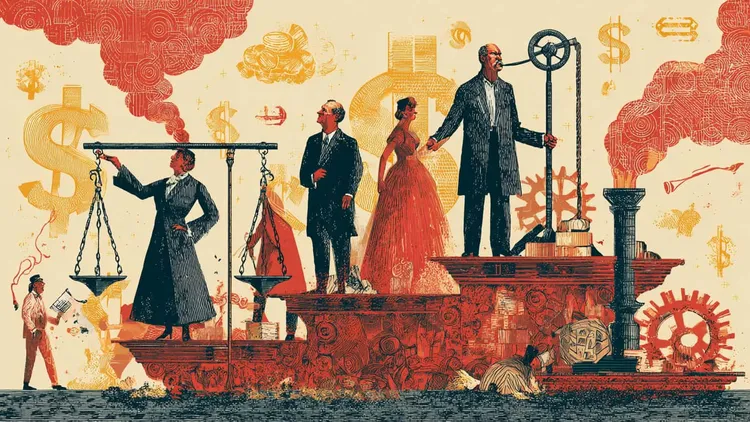
The World Cup thus becomes a lesson in contemporary capitalism. First, create scarcity. Then let prices move. Then charge fees on the secondary market created by that scarcity.
To be sure, FIFA insists that its ticketing model reflects normal practice in major entertainment and sporting events. It also argues that revenue supports football development across its member associations. But such explanations only confirm the broader problem: football is being folded into the same platform logic that has transformed housing, travel, transport, music, and other forms of public life.
Access is mediated by digital marketplaces. Prices become opaque. Demand is harvested. Consumers are told that volatility is simply the market expressing itself.
The consequences are not merely financial. They are social and democratic.
The World Cup is supposed to be one of the few genuinely global popular rituals. Its meaning depends on the idea that ordinary people can participate, not only watch from afar. When tickets become speculative assets, that promise begins to collapse.
The problem is even clearer in the resale market. A recent CBC News investigation found that StubHub had sold what it described as “ghost tickets” for the World Cup months before real tickets had been issued, despite saying it does not allow speculative listings. CBC also reported that it was able to list non-existent tickets for the 2028 Olympics.
The issue is not simply that some fans may pay too much. It is that they may pay for tickets that do not yet exist, or may never arrive.
World Cup fans have also filed a proposed class-action lawsuit against StubHub over cancelled tickets, alleging that the company failed to deliver tickets purchased through its platform. Some fans reportedly travelled long distances only to find that tickets had been cancelled or unavailable shortly before matches.
This is a familiar feature of platform capitalism. The platform presents itself as an intermediary, not a responsible public institution. It facilitates transactions, collects fees, and promises convenience. But when things go wrong, the risks fall on users: the fan who has booked flights, paid for hotels, taken leave from work, and travelled across borders.
In this sense, the fan is not only monetised. The fan is exposed.
The World Cup ticket has become a small financial instrument. It can be priced dynamically, resold, speculated upon, bundled into hospitality, converted into data, and used to generate fees at multiple points. The match itself remains emotional and collective. But access to it is increasingly governed by an extractive infrastructure.
This matters because football’s emotional power is precisely what makes it profitable. Platforms do not create the passion. Fans do. Communities do. Generations of memory do. Migrant neighbourhoods, working-class clubs, family rituals, and national histories do. The market then arrives to convert that accumulated social life into revenue.
There is nothing new about commercial football. Sponsors, broadcasters, and advertisers have shaped the sport for decades. What is new is the intensity and technical sophistication of extraction. Digital ticketing allows prices to move in real time. Resale platforms turn scarcity into speculative opportunity. Apps track behaviour. Hospitality packages separate elite spectators from ordinary fans. Social media converts celebration into engagement metrics.
Even joy has become an asset class.
The political question, then, is not whether football should be pure. It never has been. The question is whether democratic societies should accept a model in which public passion is continually enclosed by private platforms.
There are obvious reforms. FIFA should cap resale prices and prohibit speculative listings across all authorised markets. Ticket fees should be transparent and limited. A meaningful share of tickets should be reserved at affordable prices for local residents, migrant communities, and ordinary supporters of participating nations. Governments hosting mega-events should require enforceable consumer protections, not merely celebrate tourism revenue and global visibility.
More broadly, the World Cup should be treated as a public cultural event, not simply a commercial entertainment product.
Football’s power lies in the fact that it belongs, emotionally, to people who did not create FIFA’s business model and do not profit from its platforms. The danger is that the World Cup will remain global only as spectacle, while becoming ever more exclusive as lived experience.
A tournament that claims to belong to the world should not be organised as though the world were merely a marketplace.

Help Keep Social Europe Free for Everyone
We believe quality ideas should be accessible to all — no paywalls, no barriers. Your support keeps Social Europe free and independent, funding the thought leadership, opinion, and analysis that sparks real change.
— €4.75/month
Help sustain free, independent publishing for our global community.
Become a supporter— €9.50/month
Go further: fuel more ideas and more reach.
Become an advocate— €19/month
Make the biggest impact — help us grow, innovate, and amplify change.
Become a champion— €142.50/month
For organisations and professionals who rely on Social Europe in their daily work.
Become a member