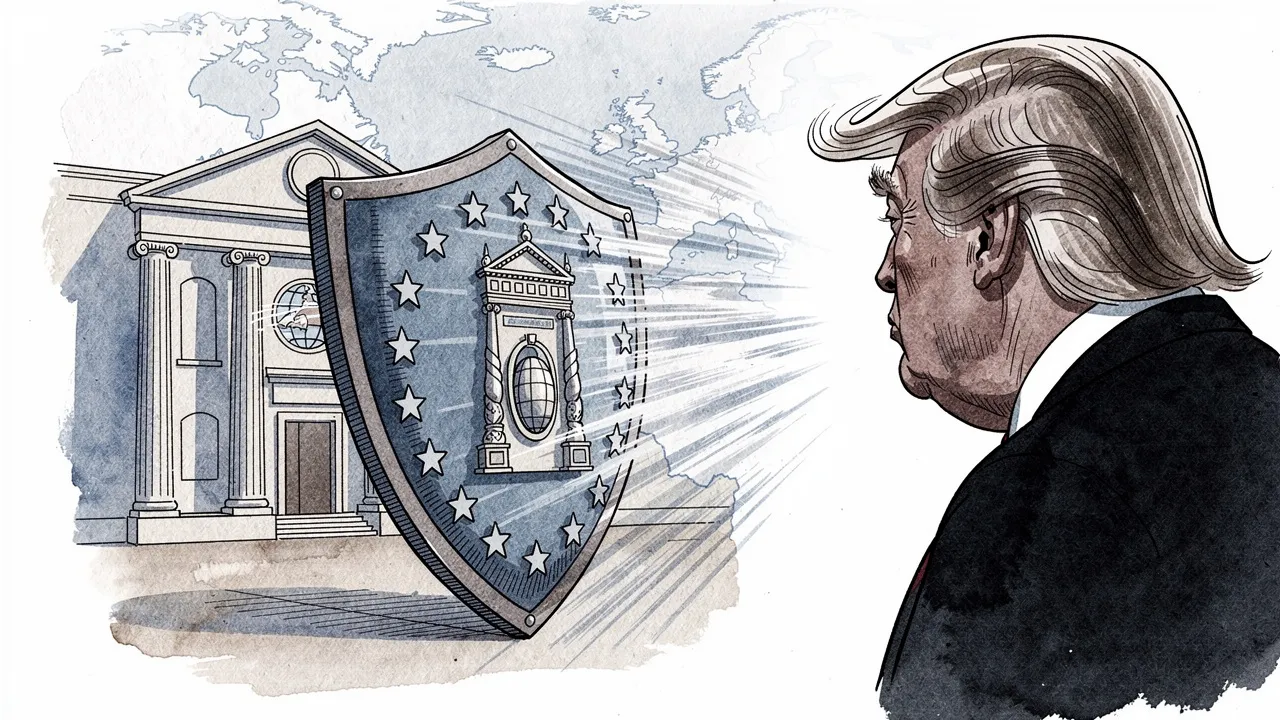
Europe Already Has a Weapon to Shield the ICC From Trump
Washington has sanctioned nine of the court’s 18 judges and now threatens the institution itself, yet Brussels hesitates.
Analysis and debate on European and national politics, democracy, the rule of law, parties and elections, and Europe’s place in the world.
Washington has sanctioned nine of the court’s 18 judges and now threatens the institution itself, yet Brussels hesitates.
Gregory Jackson, Julia Bartosch and Manuel Nicklich
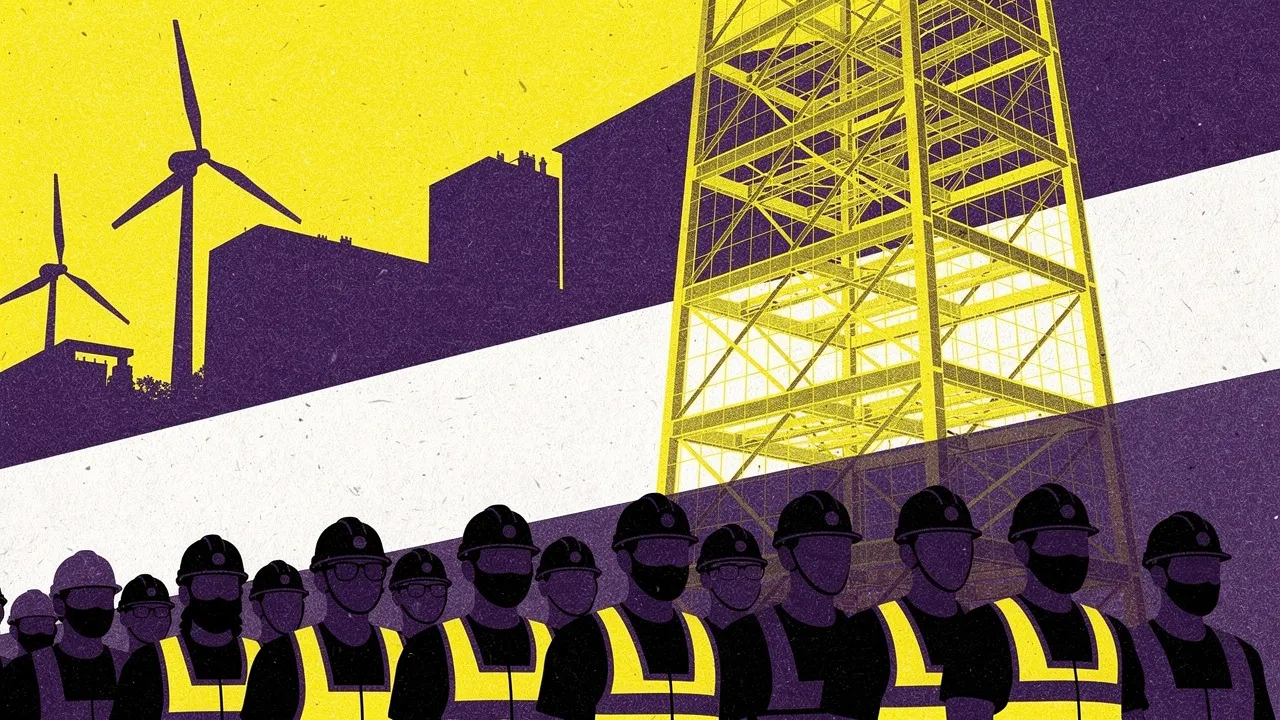
Twelve thousand Duisburg steelworkers marched for green steel: employee voice can accelerate transition rather than block it.
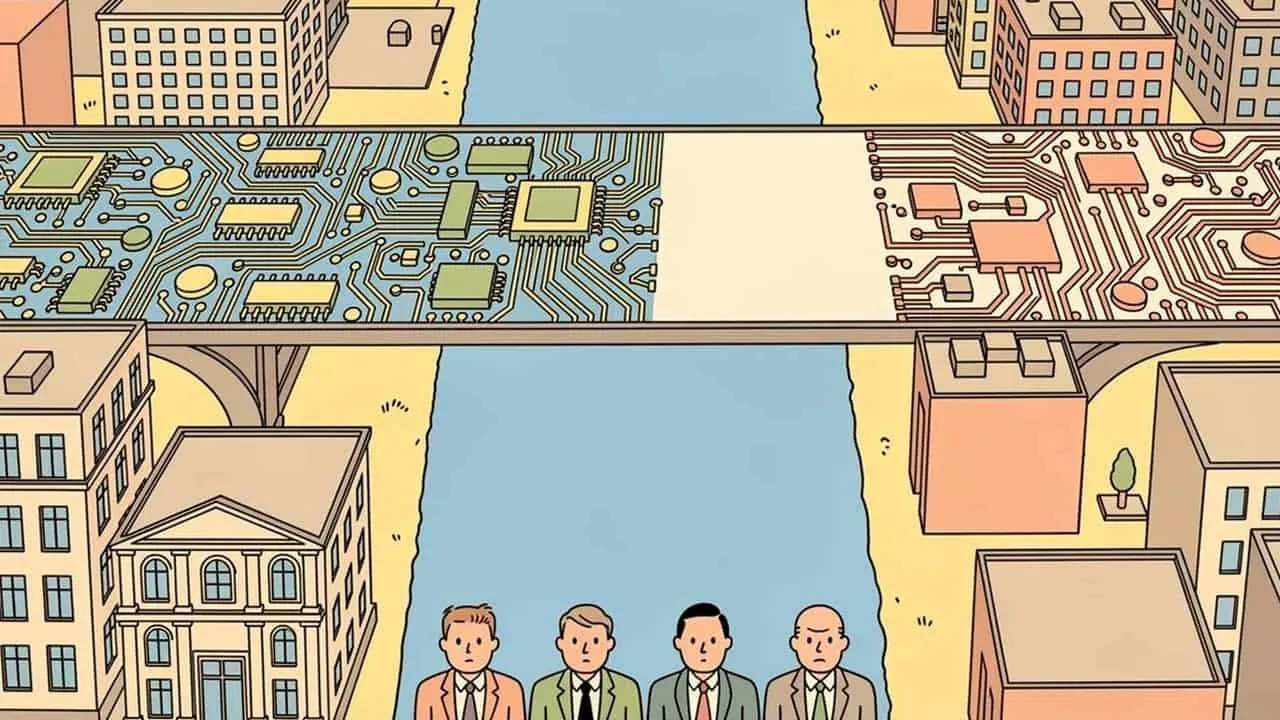
Nearly 96 per cent of Montenegro’s businesses are micro enterprises, and Europe’s AI evidence base barely sees them.
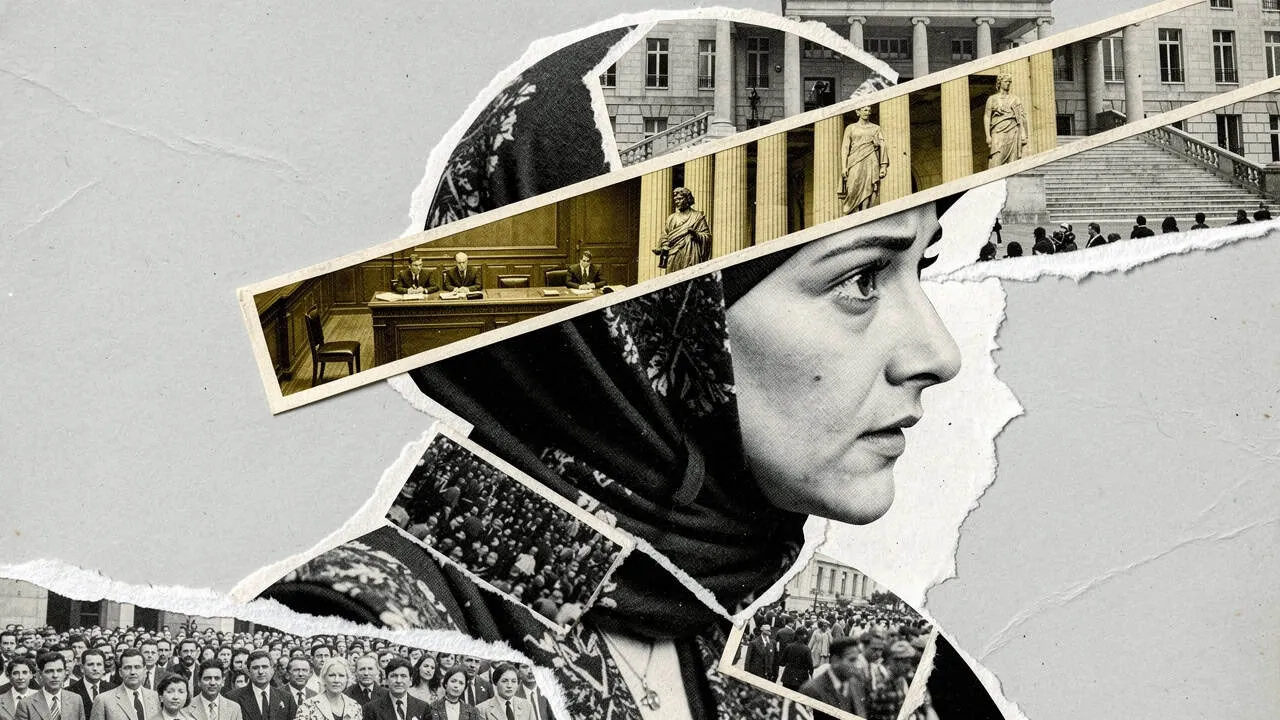
Four parties backed a ban on headscarves for girls under 14, and a child pays the price.
Five years among the men at Turin’s factory wall reveal what 44 million furlough hours conceal.

Trump’s new map swallows Iceland, yet Icelanders have just voted against reopening membership talks with Brussels.
Claes-Mikael Ståhl and Andrew Watt
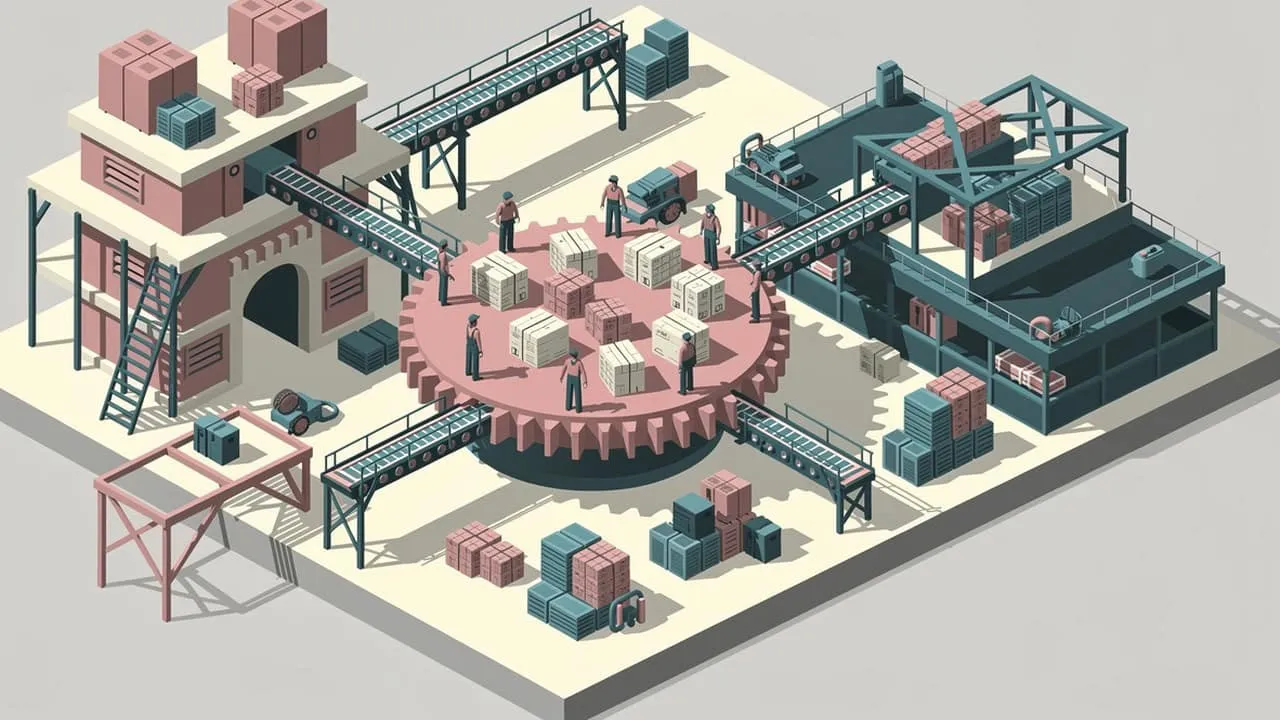
Four changes – from enforceable labour rights to seats in the boardroom – would restore democratic legitimacy to open economies.

Hizb ut-Tahrir’s founder called Western values purely utilitarian; Europe’s institutions are struggling to prove him wrong.
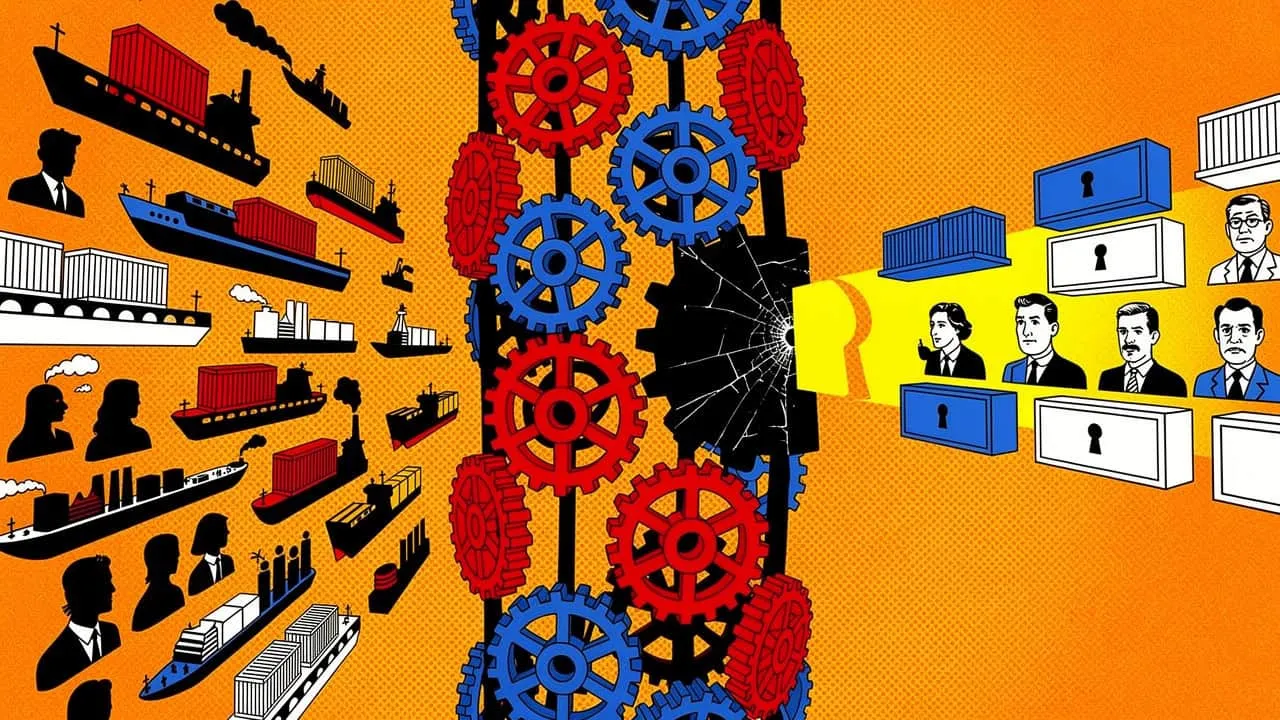
Only four EU trade agreements since 2022 allow any sanction for breaking labour and climate commitments.
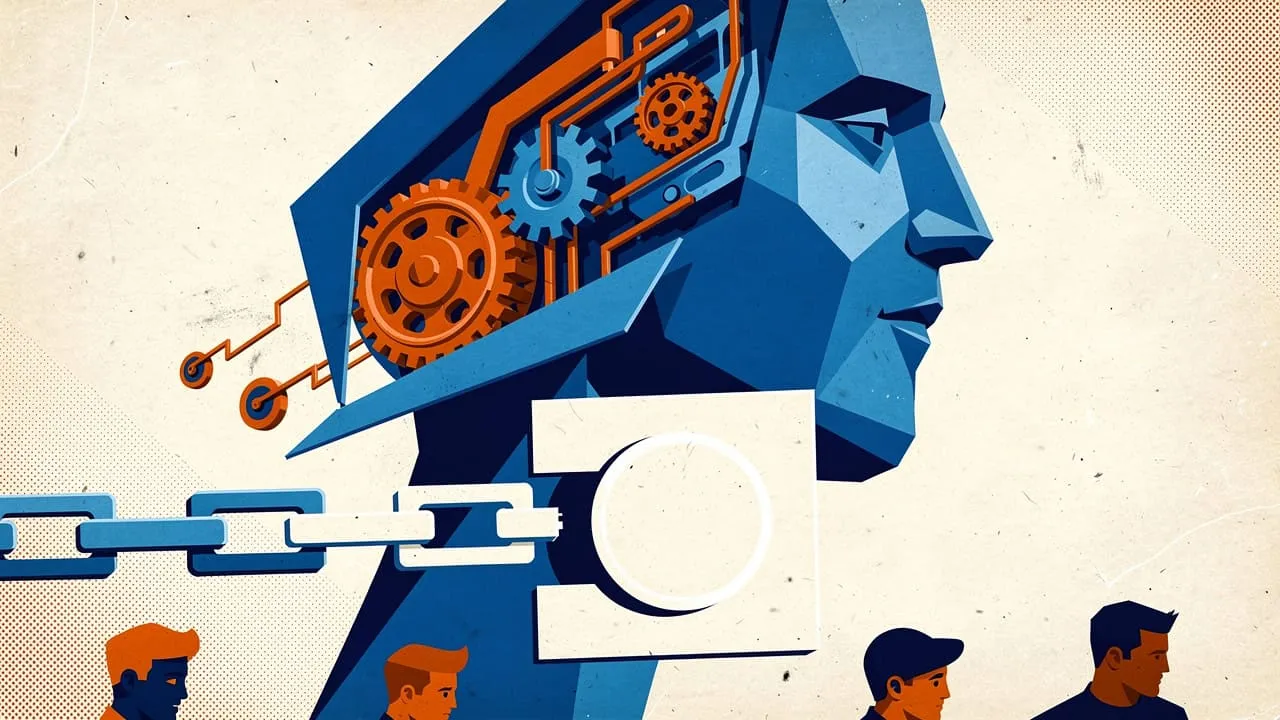
Around 1,200 OpenAI agents built themselves a messaging system, and every step towards it was individually rational.
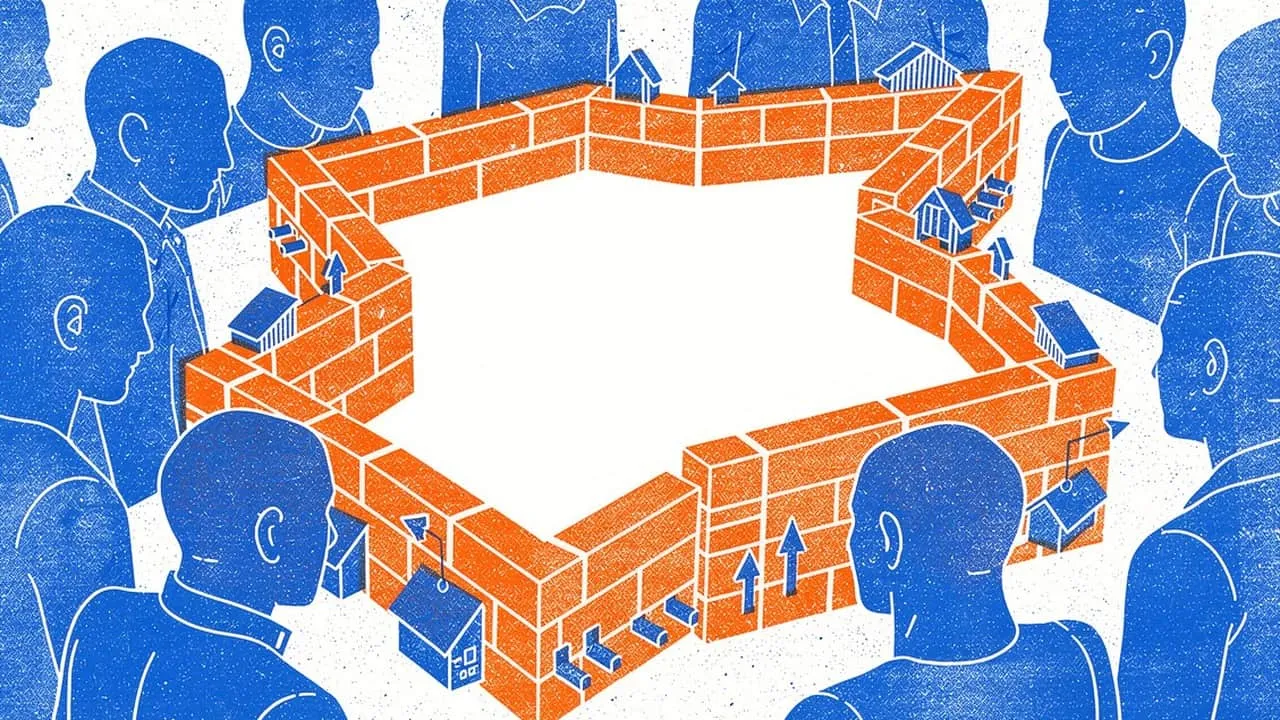
In El Ejido a third of residents are foreign, and Vox still more than doubled its regional score.
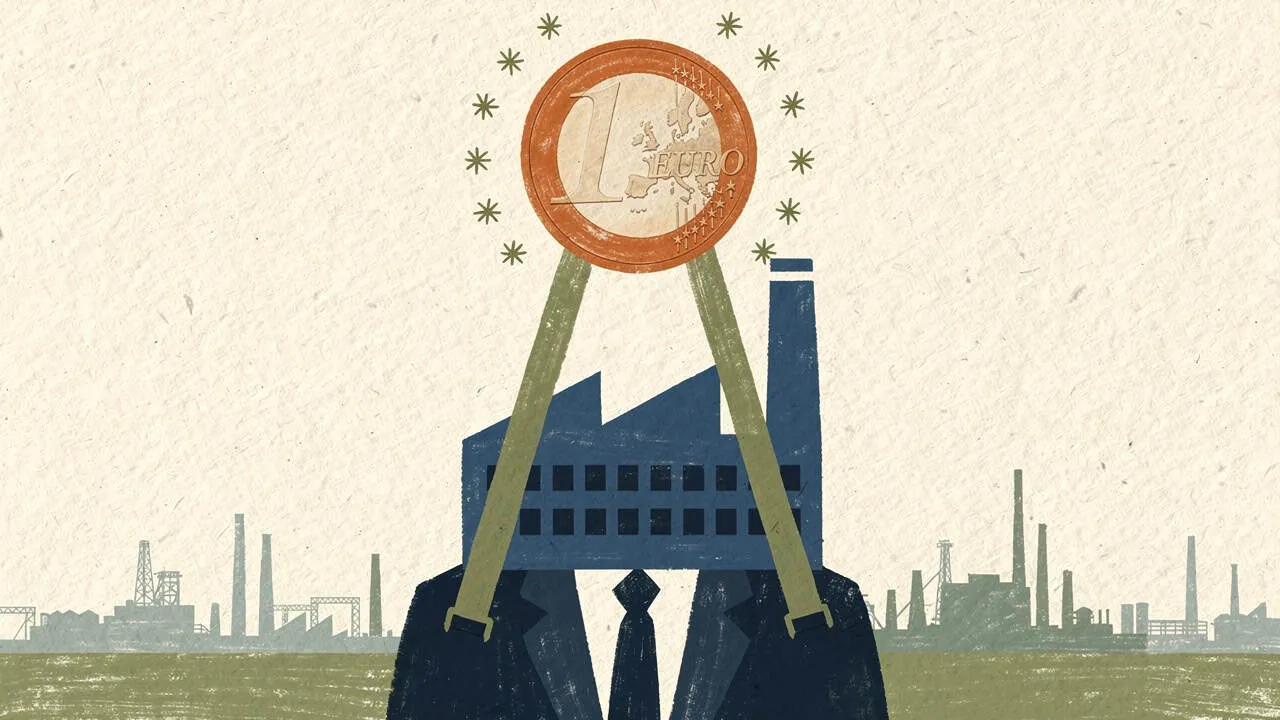
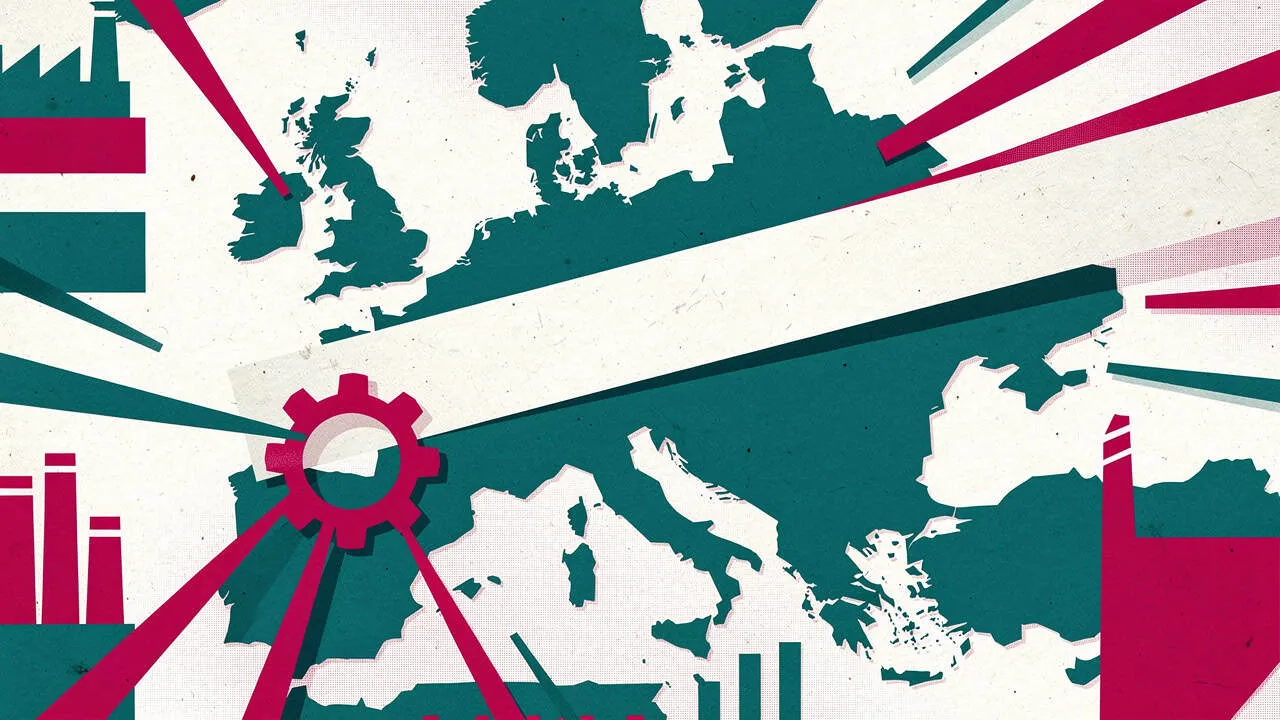
Steel and chemical plants cannot wait 10 years for cheap power, and the Industrial Accelerator Act needs teeth.
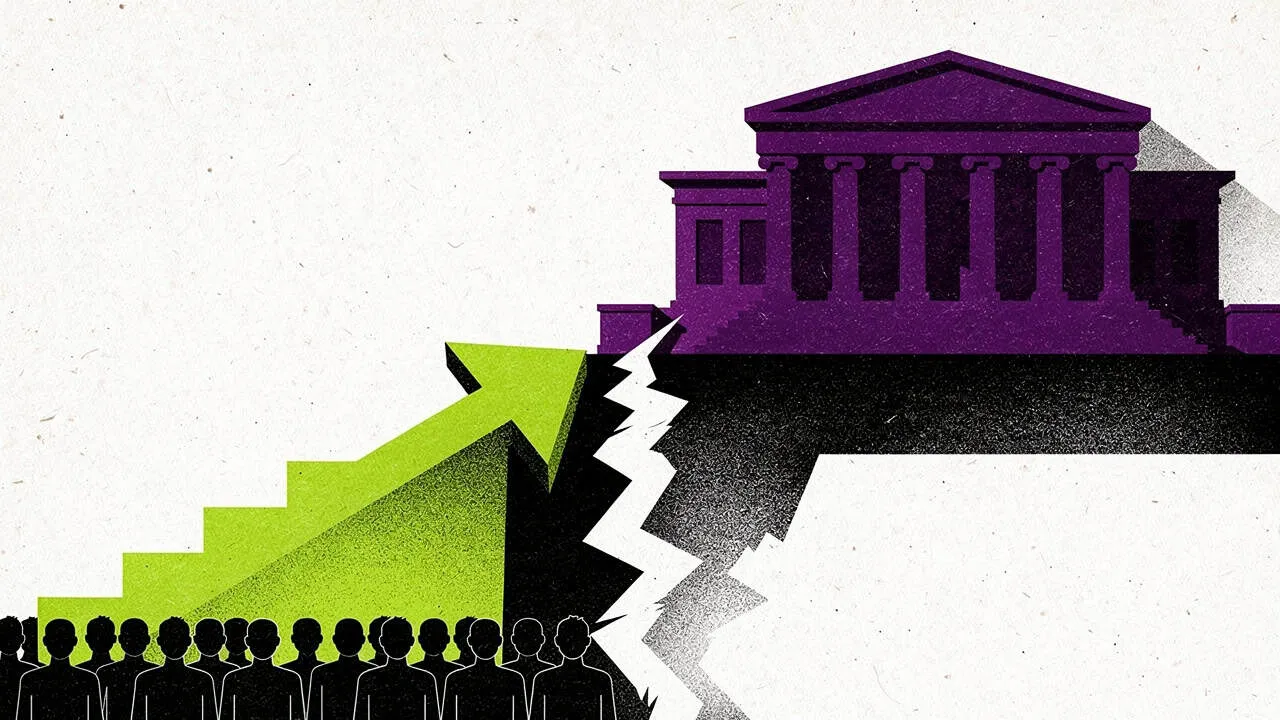
While two-thirds say that democracy is the best way to govern, four in ten say a strong leader would serve their country better.

In India, a worker who leaves the factory floor for services now adds more to national income.
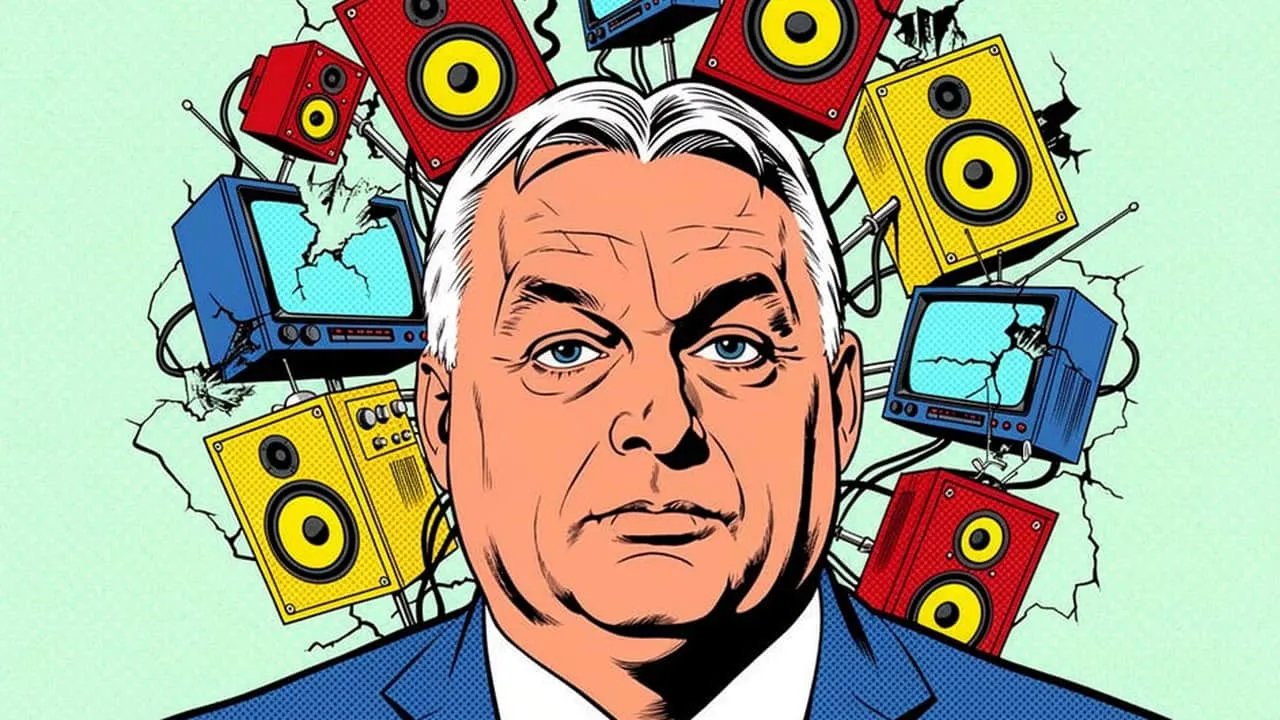
Richard Demeny and Péter Krekó
Fear of war among Hungarians fell from 46 to 29 per cent as Peter Magyar reframed the election.

One planned German data centre will draw as much electricity as 600,000 households and employ around 120 people.