Skip to content

Social Europe

  • Videos
  • Podcast
  • eBooks
  • Newsletter
  • Membership

Paul Mason

Paul Mason is a journalist, writer and filmmaker. His latest book is How To Stop Fascism: History, Ideology, Resistance (Allen Lane). His most recent films include R is For Rosa, with the Rosa Luxemburg Stiftung. He writes weekly for New Statesman and contributes to Der Freitag and Le Monde Diplomatique.

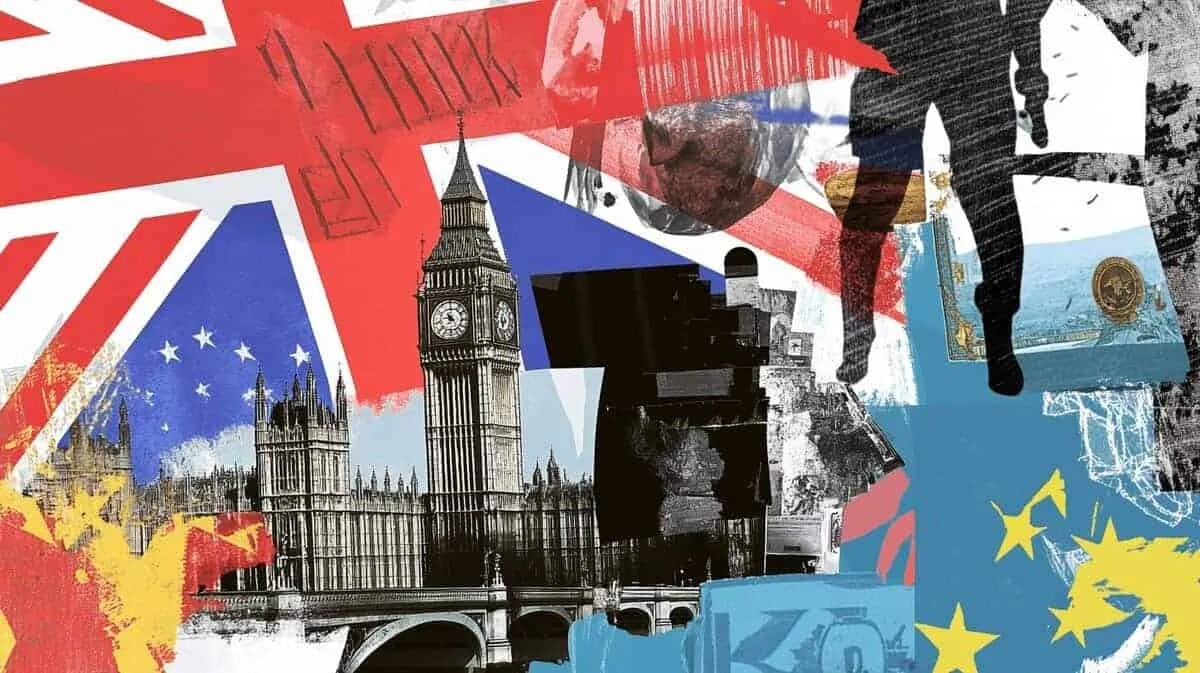
Keir Starmer Finds His Fighting Spirit: Labour’s Blueprint to Beat Back the Far Right

Paul Mason

With Reform surging ahead, Labour must win the narrative battle or face electoral oblivion by 2029.

Europe’s Far Right Copies Trump—And It’s Working

Paul Mason

Leaked plans show Germany’s far right plotting a radical power grab with global implications.
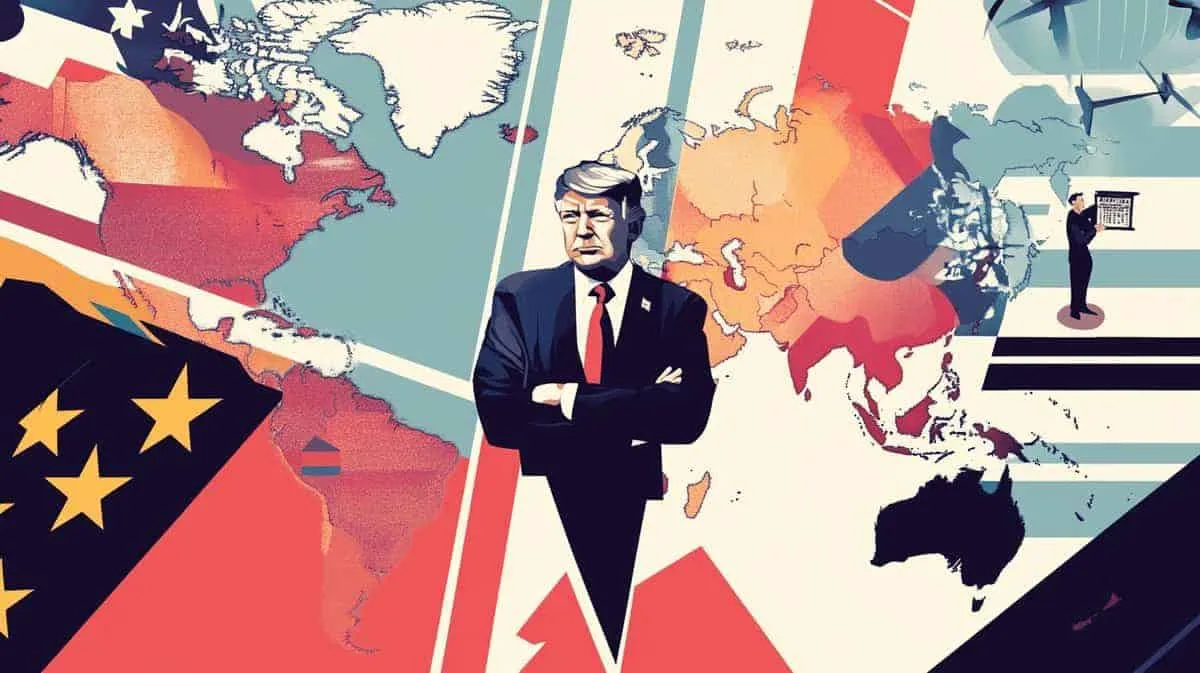
Trump’s Tariff Gamble: Global Chaos or Calculated Concessions?

Paul Mason

A looming trade war and security threats leave European leaders scrambling to decipher the American president's true intentions.

Britain’s Choice: Europe or a Collapsing America

Paul Mason

As the USA withdraws from European security, Keir Starmer faces a defining moment: realign with Europe or cling to a fading alliance.

Britain at a Crossroads: financial turmoil meets political threats

Paul Mason

Keir Starmer’s government finds itself on the frontline of a global power struggle.

Draghi, Putin and economic warfare in Europe

Paul Mason

It has yet to dawn on Europe’s leaders, Paul Mason writes, that the whole continent is implicated in Russia’s war on Ukraine.

After Russia, Europe must wake up to China too

Paul Mason

Europe’s real problem with China is not electric vehicles. It is the elemental vehemence of the Chinese Communist Party.

Europe’s defence industrial strategy: beyond the rhetoric

Paul Mason

Whoever wins the US presidential election, Paul Mason writes, the EU has no option but to underpin its collective defence.

Europe’s nightmare: an isolationist America

Paul Mason

A spectre is haunting Europe, Paul Mason writes. It is the spectre of Trumpism, mark two.

A new world order: from warring states to citizens

Paul Mason

It will take decades of intellectual effort, Paul Mason writes, before a new world order emerges from the cumulative chaos.

The answer to an anti-green backlash is to be redder

Paul Mason

Labour must not follow the Tories downwards, Paul Mason writes, as they grasp at electoral straws.

On the wrong side of Britain’s history

Paul Mason

‘National Conservatism’, Paul Mason writes, fails to chime with British national-popular culture.

Suave Sunak cold comfort for impoverished Britons

Paul Mason

Real incomes have been ravaged in the UK, Paul Mason writes. That’s why the strikes are popular.

Behind Britain’s strike wave

Paul Mason

The Tory government, Paul Mason writes, is a victim of the skills shortages its ‘free markets’ have engendered.

Pre-empting the coming world war

Paul Mason

Despite Ukraine, Paul Mason writes, Europe is still not awake to the security threat it faces.

Next

S&D Group in the European Parliament advertisement

Cohesion Policy

S&D Position Paper on Cohesion Policy post-2027: a resilient future for European territorial equity

Cohesion Policy seeks to foster balanced development and reduce economic, social, and territorial disparities, focusing on rural areas, regions in industrial transition, and those with severe or permanent natural or demographic disadvantages, including outermost, sparsely populated, island, cross-border, and mountain regions.

READ THE PAPER HERE

S&D Group in the European Parliament advertisement

Health

🇪🇺 Building a Resilient, Equitable EU Health Union: The S&D Blueprint


From securing pharmaceutical autonomy and guaranteeing universal access to care (the European Health Guarantee) to combatting non-communicable diseases and closing the Gender Health Gap. Read the S&D Group in the European Parliament Position Paper demanding that health becomes a priority across all EU policies.

READ THE POSITION PAPER

ETUI advertisement

HESA Magazine Cover

European productivity: the real constraint is not debt, but investment

The EU’s Debt Sustainability Analysis (DSA) has become a central tool for shaping national budgets under the new economic governance framework. According to a new ETUI paper, it is also systematically undervaluing the economic benefits of public investment—at the expense of productivity and long-term growth. “Rethinking the role of public investment does not mean abandoning fiscal discipline. It means recognising that certain investments strengthen long-term debt sustainability by generating higher growth and stronger public revenues,” explains Christos Pierros, the author.

READ HERE

Eurofound advertisement

Mental Health
Eurofound Talks: Europe's productivity paradox

This episode of the Eurofound Talks podcast looks at why Europe has experienced a more profound slowdown in growth compared to other developed regions, and why greater labour input and higher human capital has not translated into higher output per worker. Mary McCaughey and John Hurley also discuss whether Europe can, and should, look to compete with countries such as the United States and China in the race to harness artificial intelligence.
LISTEN HERE

Foundation for European Progressive Studies Advertisement

Progressive Post Issues

The Autumn-Winter issue of The Progressive Post is out!”

Among this issue’s highlights, we debate war and defence, underlining the urgent necessity of peace. We look at the European Commission's budget proposal, particularly the fate of the cohesion funds, and at the EU's international partnerships and ask whether the EU can pursue its strategic interests while simultaneously promoting its partners' genuine development. Finally, we address COP30 and the issue of fossil fuels, which was intentionally ignored during the negotiations held in Brazil.

READ NOW

Hans Böckler Stiftung Advertisement

WSI Report

WSI Minimum Wage Report 2025

The trend towards significant nominal minimum wage increases is continuing this year. In view of falling inflation rates, this translates into a sizeable increase in purchasing power for minimum wage earners in most European countries. Most EU countries are now following the reference values for adequate minimum wages enshrined in the European Minimum Wage Directive, which are 60% of the median wage or 50% of the average wage.

DOWNLOAD THE REPORT

Our Mission

People

Article Submission

Advertisements

Membership

Politics Archive

Economy Archive

Society Archive

RSS Feed

Legal Disclosure

Privacy Policy

Copyright

Social Europe ISSN 2628-7641

Copyright Social Europe Publishing & Consulting GmbH 2025
  • Videos
  • Podcast
  • eBooks
  • Newsletter
  • Membership