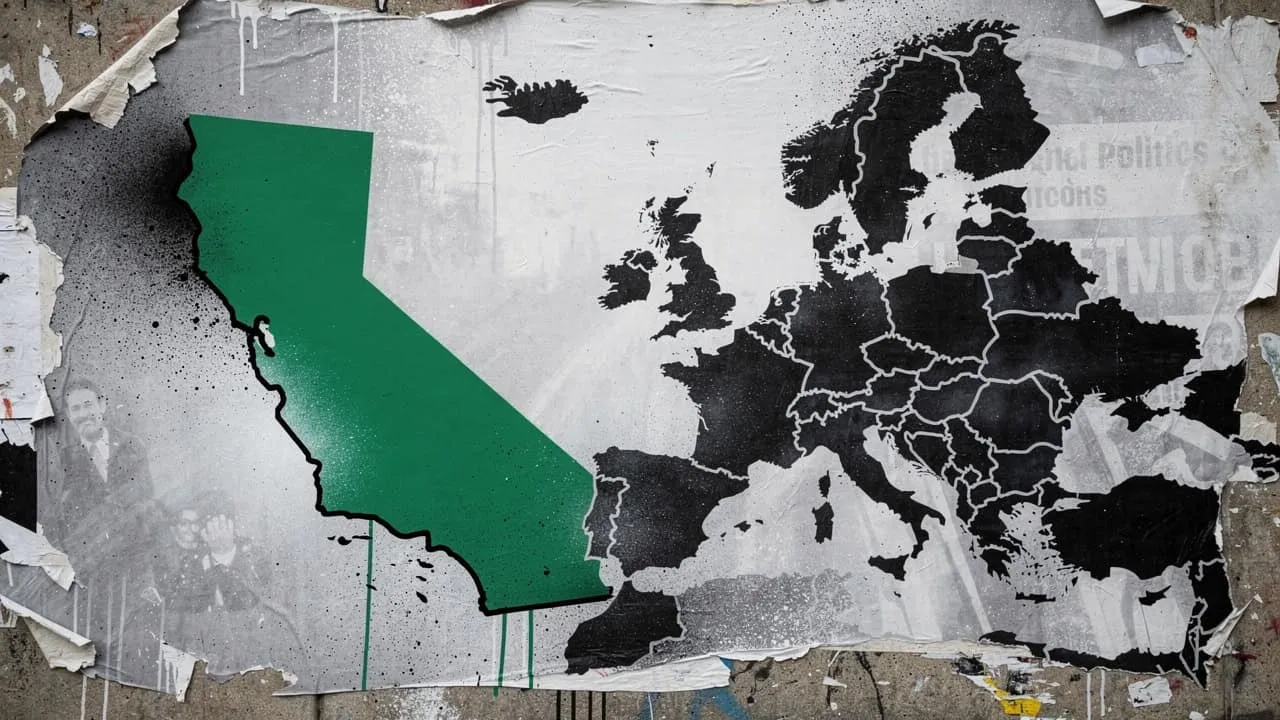
California Rewrites the Welfare State While Europe Looks Away
Christophe Sente and Timothée Duverger
Trump and Sanders now converge on sovereign funds holding corporate shares, scrambling familiar ideological lines.
Christophe Sente and Timothée Duverger
Trump and Sanders now converge on sovereign funds holding corporate shares, scrambling familiar ideological lines.
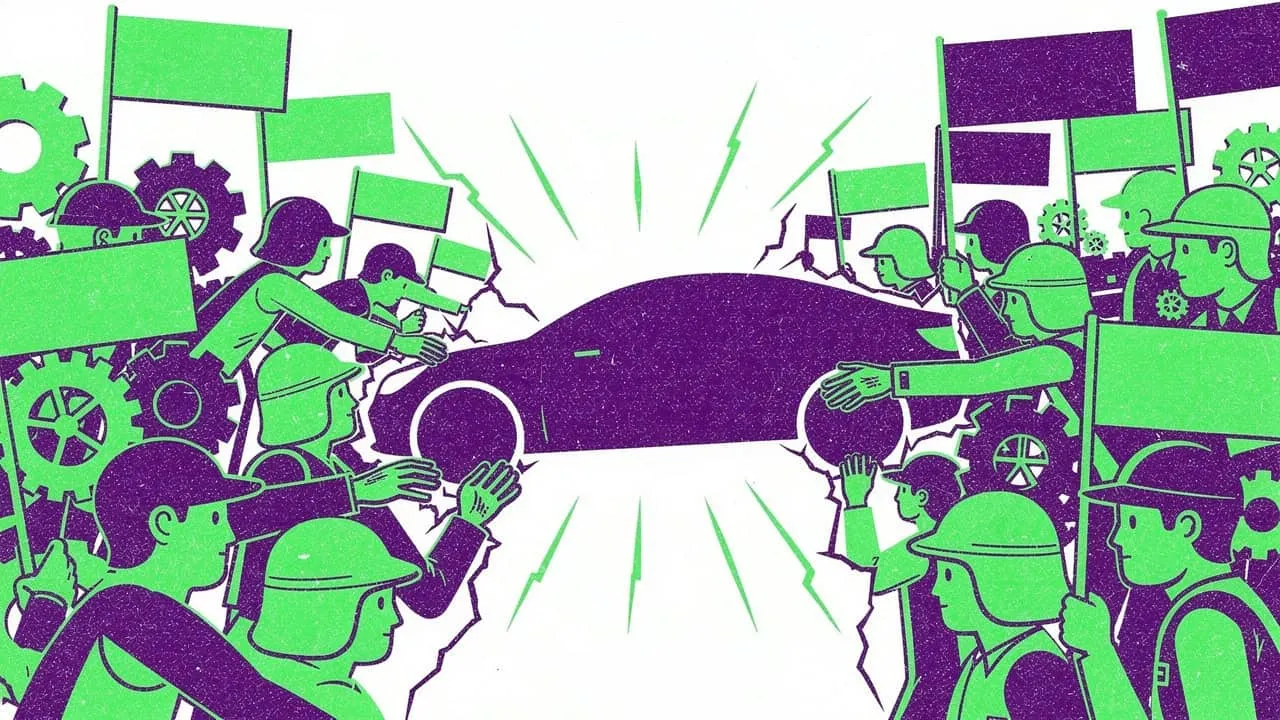
After 1,027 days, severance deals with confidentiality clauses emptied the picket line at Sweden’s Tesla workshops.
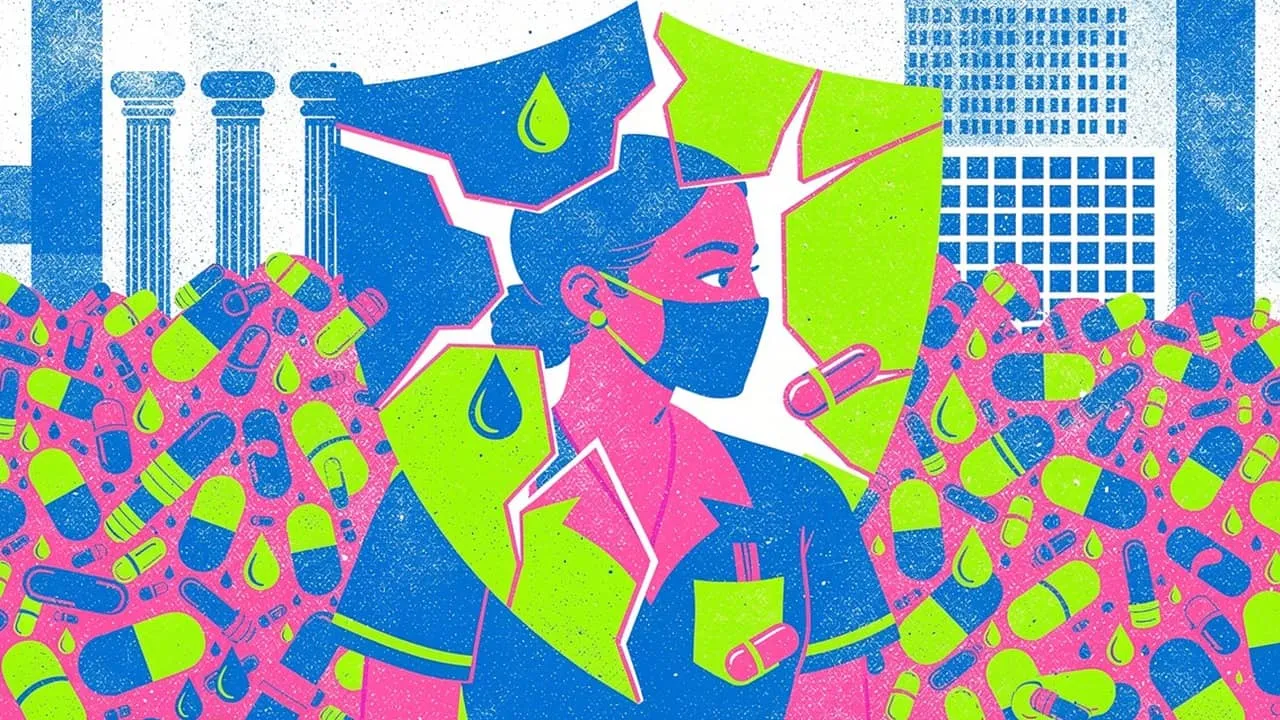
Only two per cent of surveyed nurses have been tested for the hazardous drugs they handle at work.
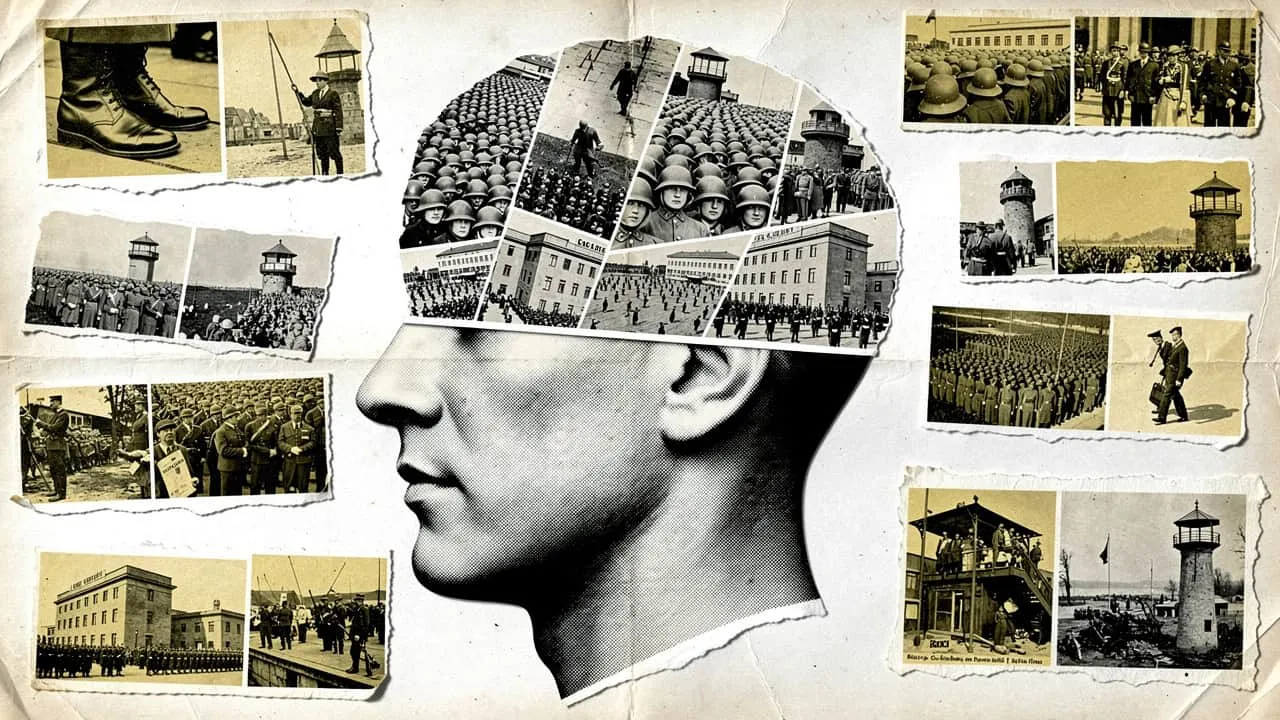
Leo Löwenthal warned that far-right agitation turns psychoanalysis on its head, making followers paranoid rather than healing them.
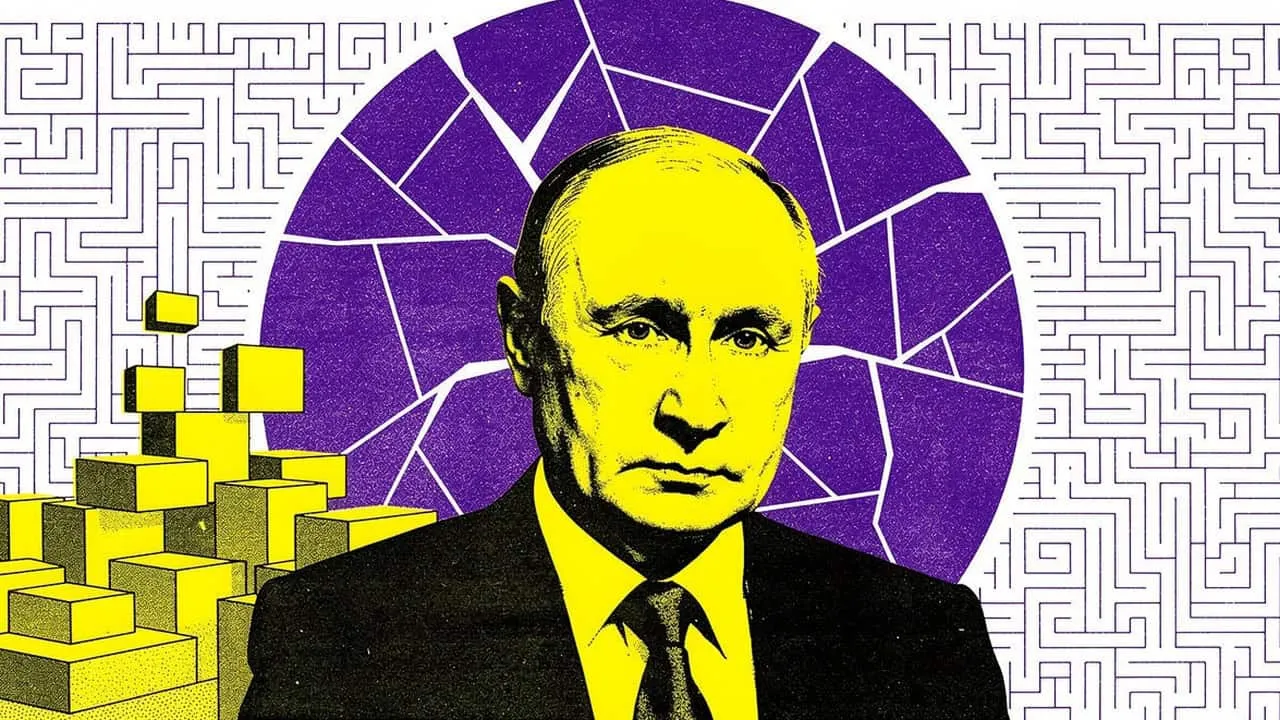
With 450,000 Russian dead and negotiation impossible, Europe’s only real leverage is patience backed by power.
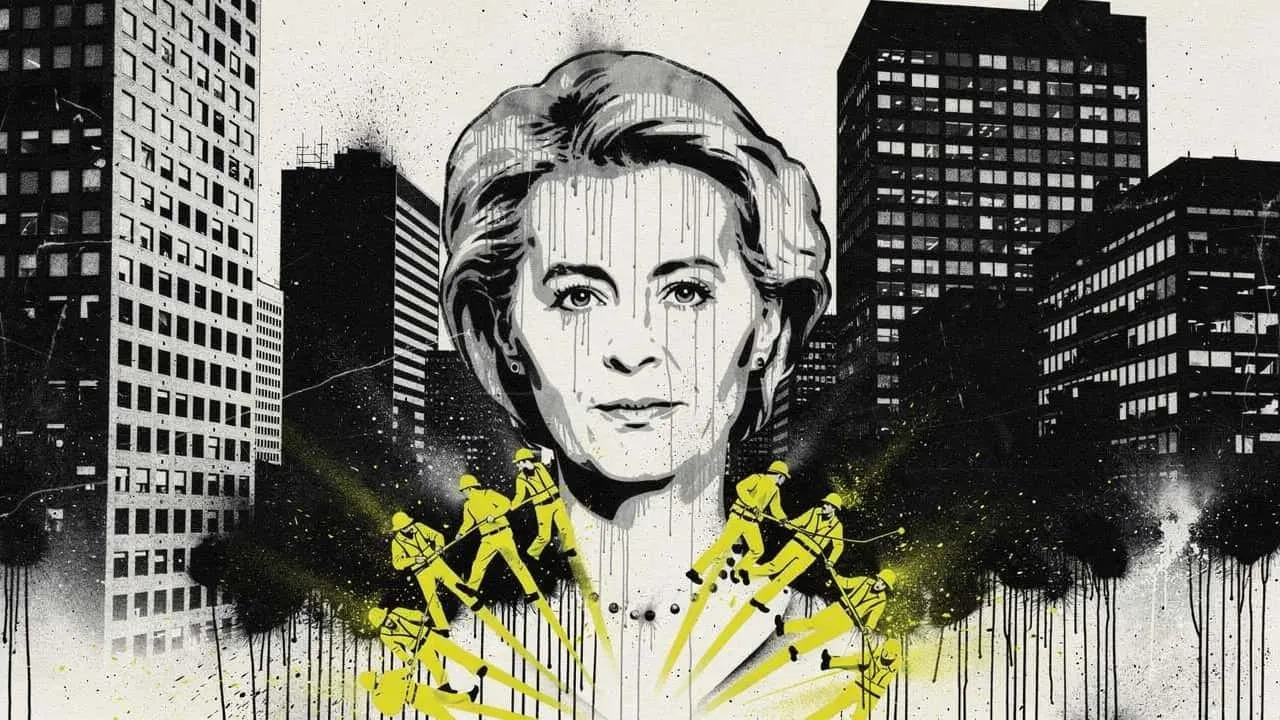
Europe spends €2 trillion a year on public contracts, most awarded to the lowest bidder, fuelling precarious work.
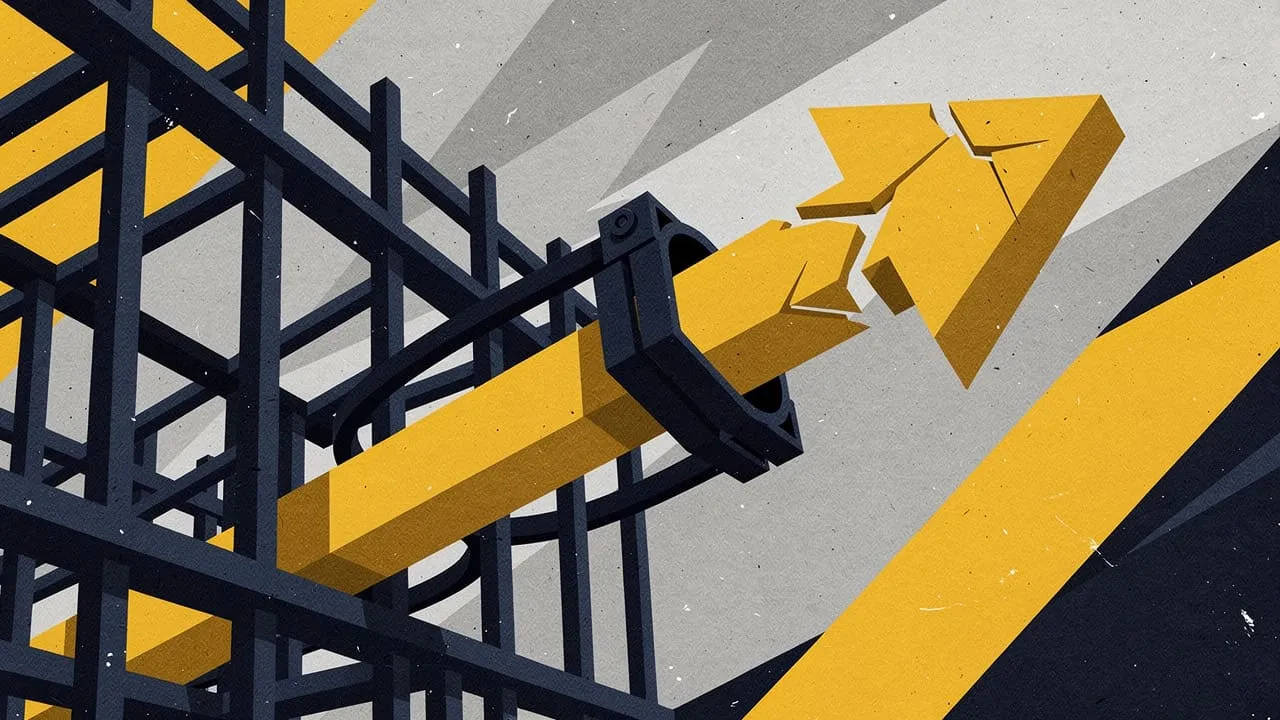
Two decades of bold reform followed the 1970s crisis; since 2008, next to none. Blame an idea.
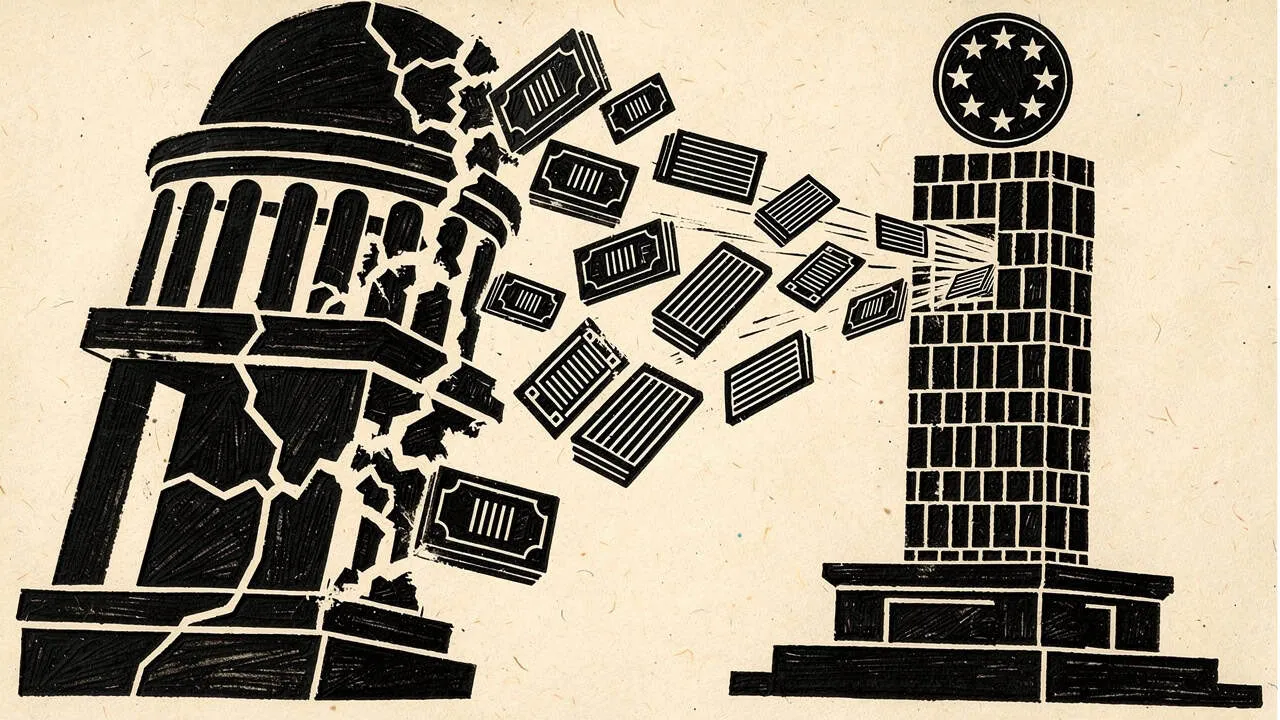
The EU should seize the moment to gain strategic autonomy by creating its own safe asset.
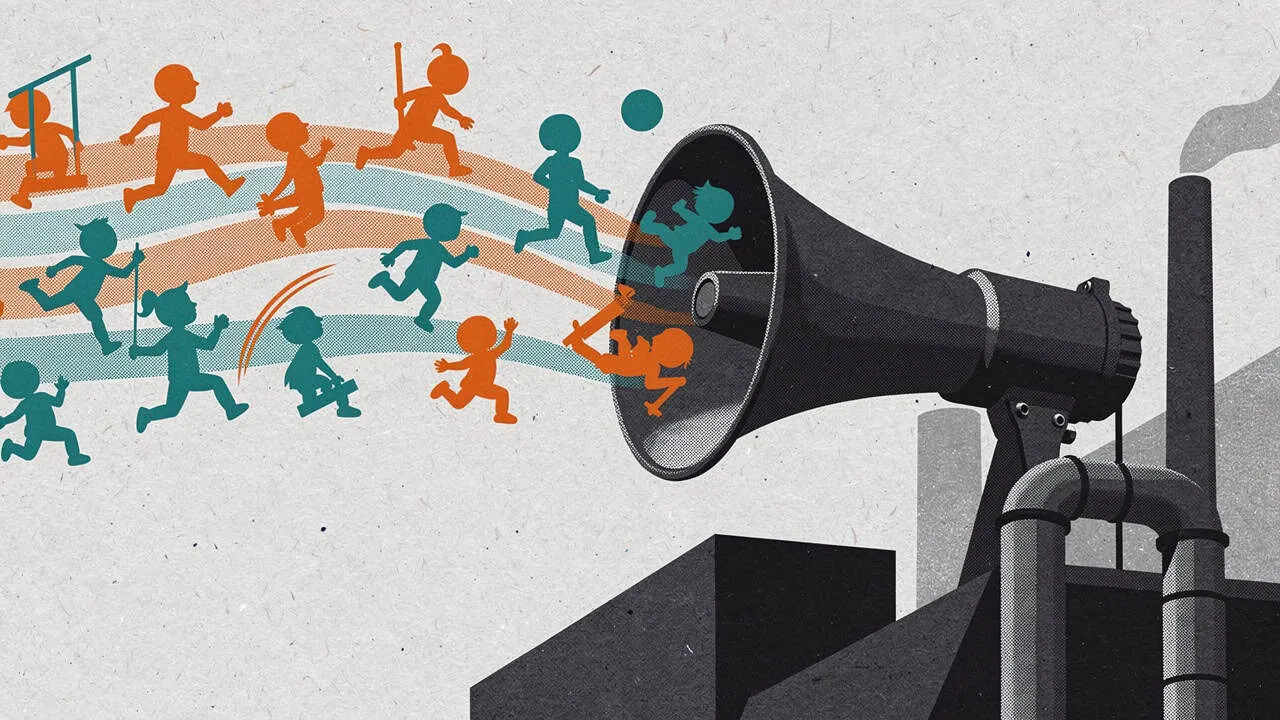
A 192-year-old Bairro Alto nursery registers just over 40 decibels by day; the surrounding bars hit 70 at night.
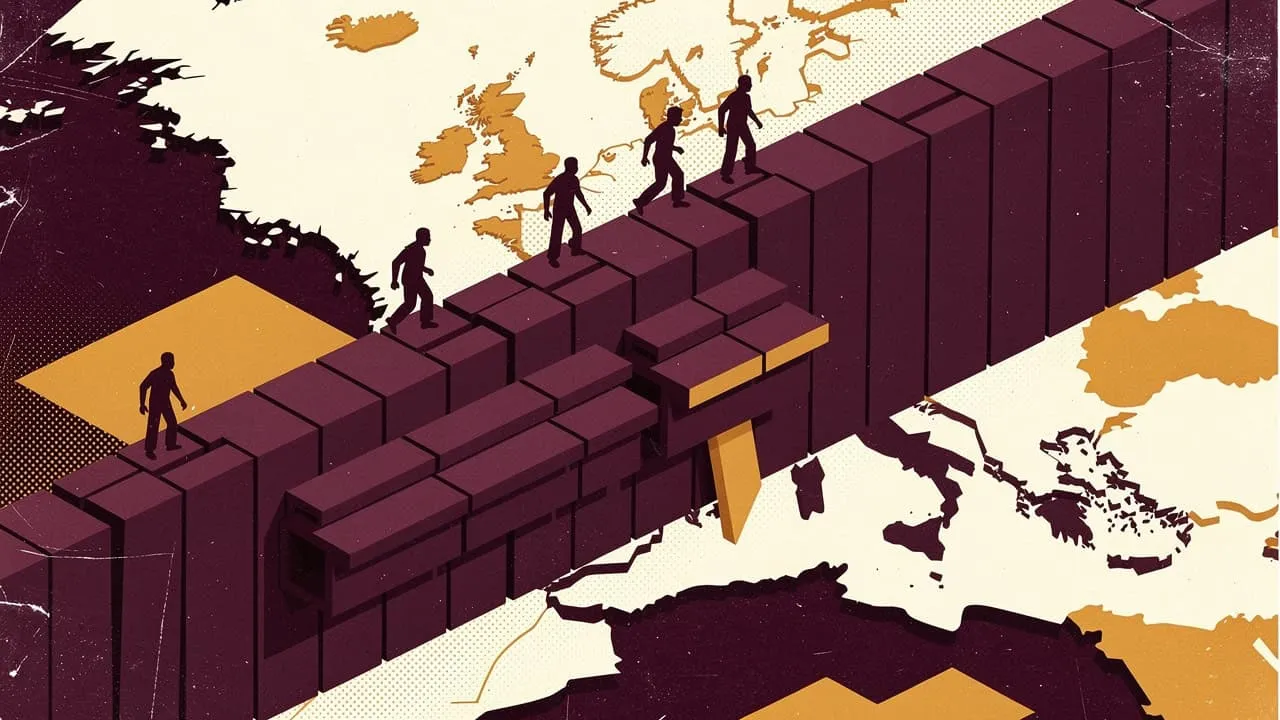
Like Berlin in 1989, Ceuta was an accident of history — but Europe’s response may entrench its walls.
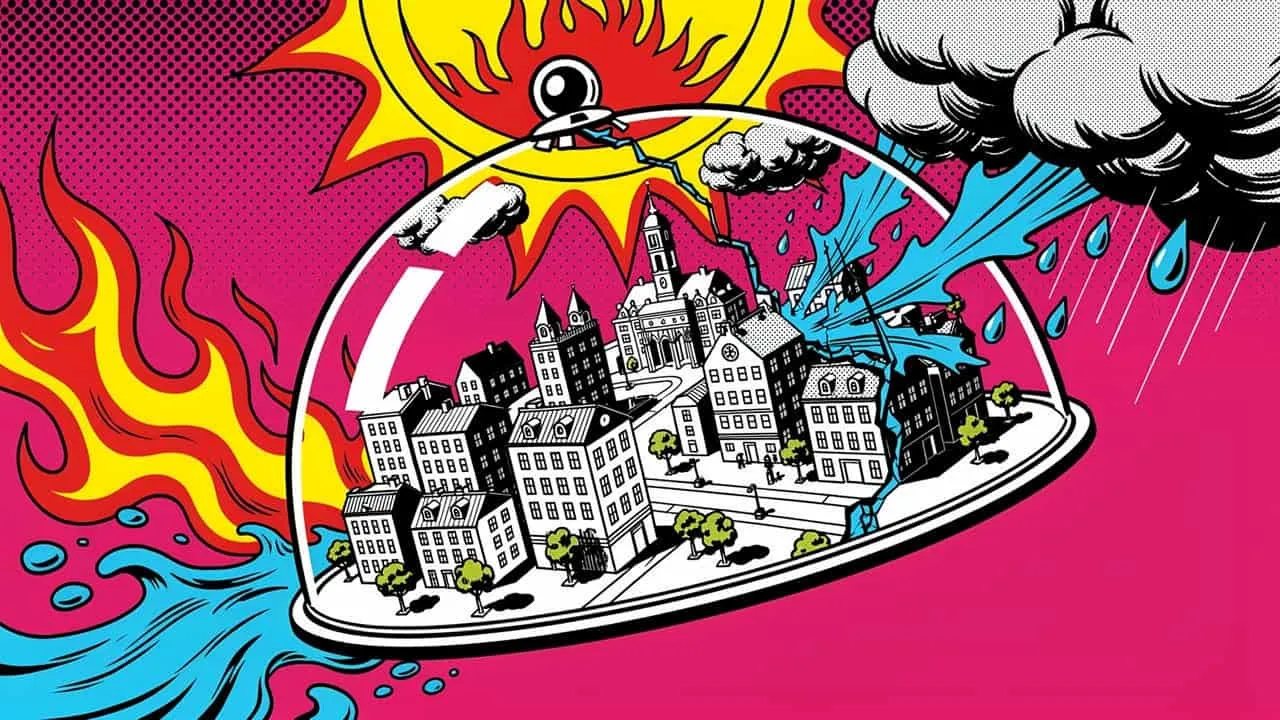
At least 10,000 Europeans died in a single week of June — and the response starts with street design.
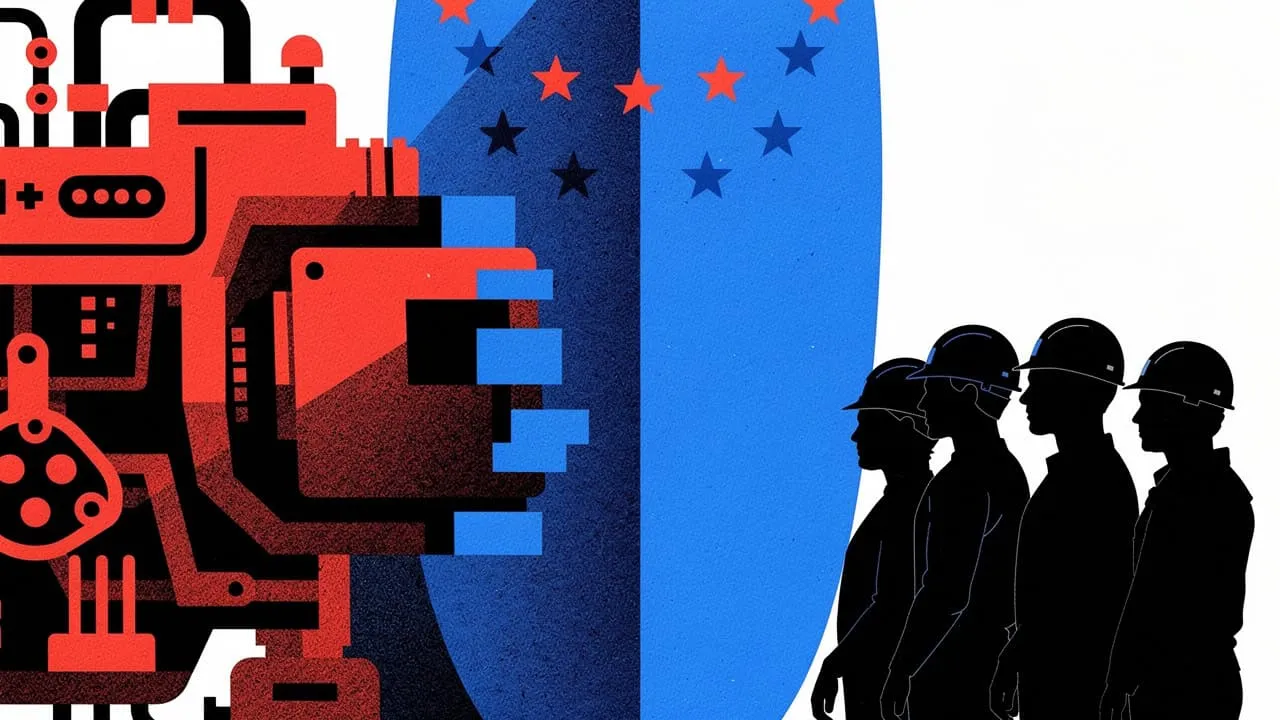
Claes-Mikael Ståhl and Giulio Romani
The Digital Omnibus strips machinery from the AI Act’s high-risk regime, leaving worker safeguards in limbo.
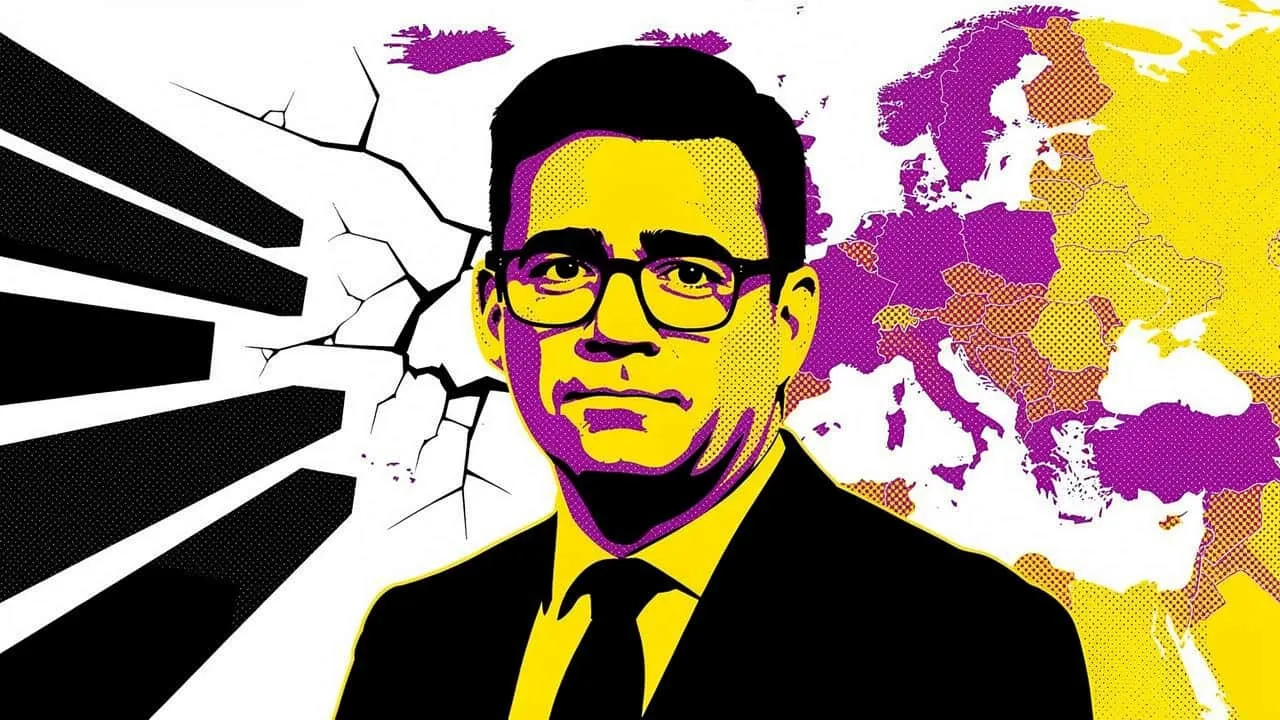
Britain’s new Prime Minister blames four decades of neoliberalism for national malaise — and continental progressives should pay attention.
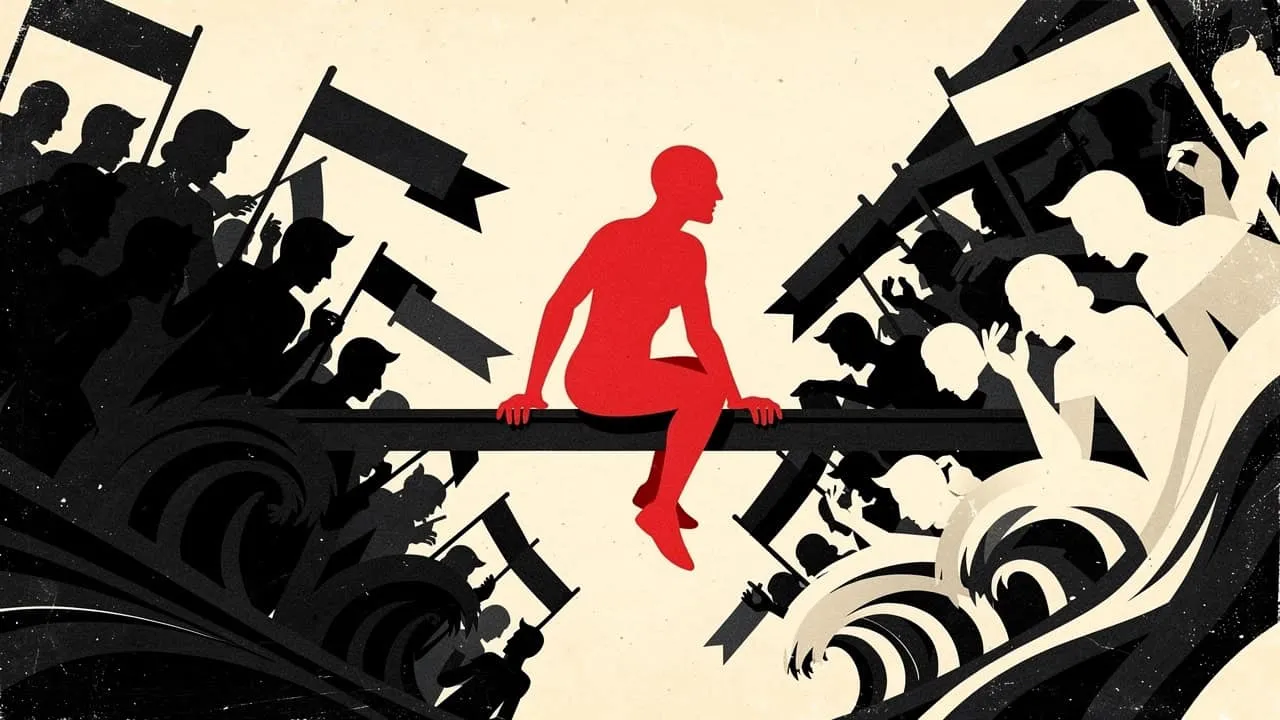
As the far right reshapes democracy, progressives from Berlin to Washington must decide whether cultural struggle beats technocratic caution.
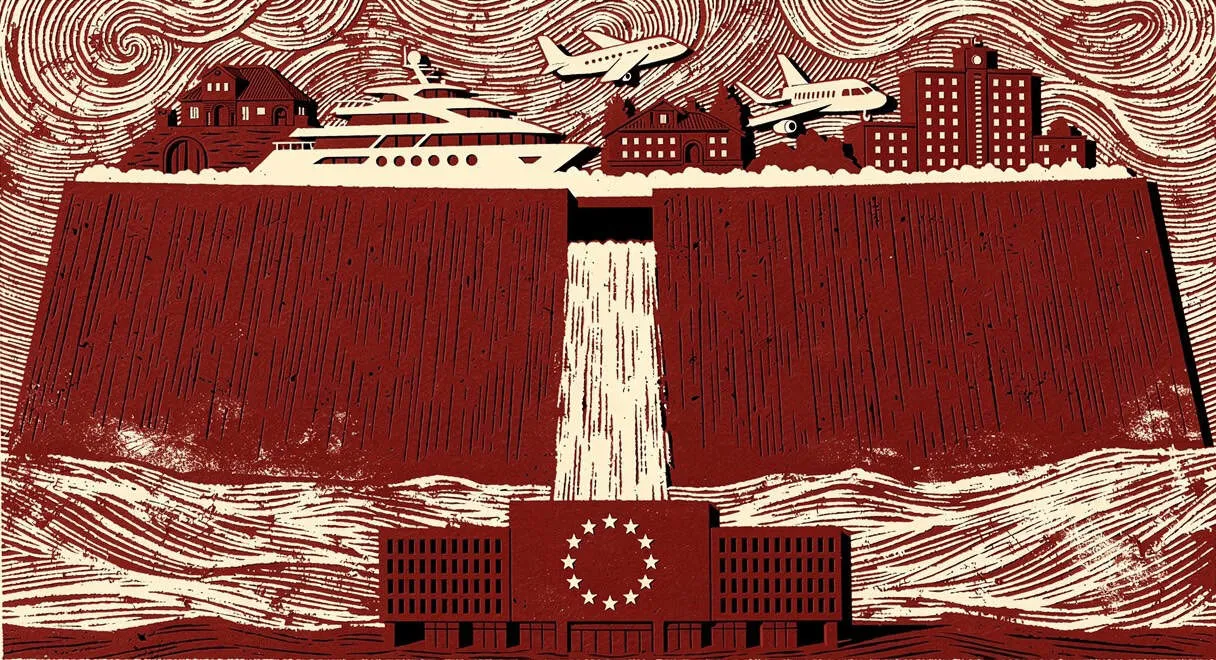
Philipp Heimberger and Bernhard Schütz
Taxes on wealth, crypto and financial trades could raise billions no single member state can collect alone.