
Hungary After Orbán: Why Tisza’s “New Hungary” May Leave Workers Behind
Hungary's new government promises to restore rule of law — but not labour rights.
Social Europe is an award-winning digital media publisher driven by the core values of freedom, sustainability, and equality. These principles guide our exploration of society’s most pressing challenges. This archive page curates Social Europe articles focused on political issues, offering a rich resource for innovative thinking and informed debate.
Hungary's new government promises to restore rule of law — but not labour rights.
Stricter return rules and border procedures sell reassurance to voters, but the evidence suggests Europe cannot deliver what politicians promise.

In April 2010, the EU betrayed Greece and enabled Orbán — and has yet to reckon with either.
Péter Magyar's election victory gives Hungary its best chance in a generation to break with a centuries-long pattern of authoritarian rule.

Silicon Valley's quarrel with democracy is not abstract — it begins in the workplace, where unilateral authority is normalised.

Employer lobbying to weaken the EU Pay Transparency Directive risks condemning European women to decades more of unequal pay.
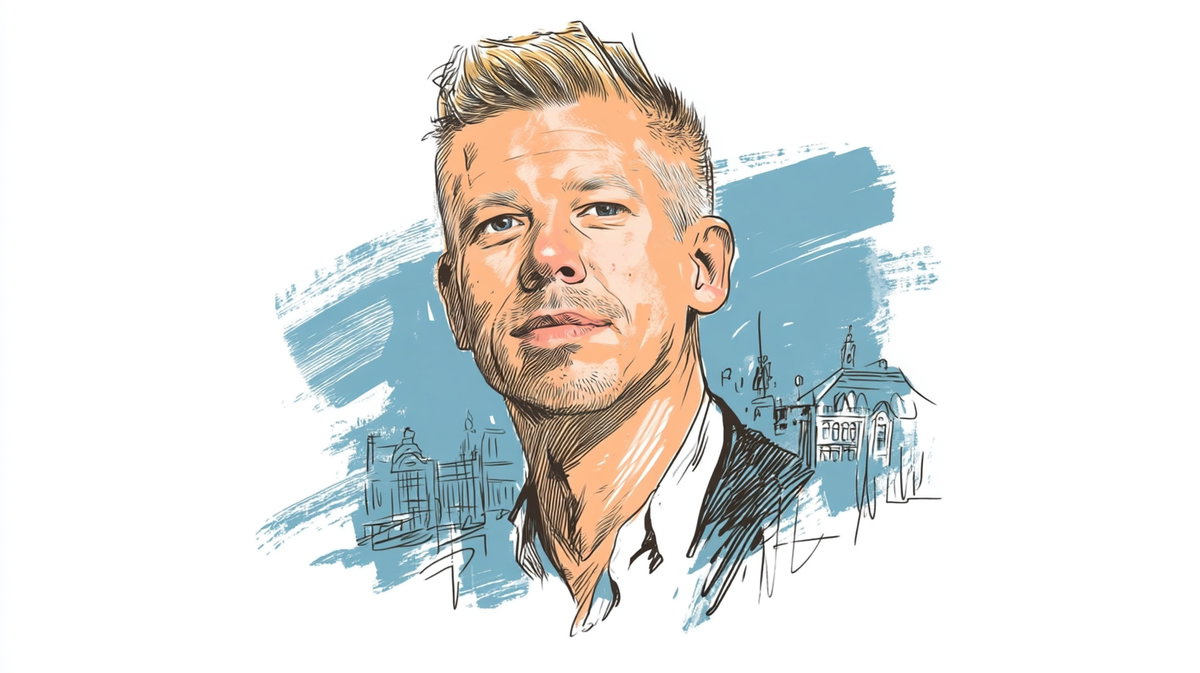
Following Tisza’s victory over Viktor Orbán’s ruling Fidesz party in Sunday’s election, the opposition faces an uphill battle in trying to restore Hungary’s democracy.

The European Commission's proposed EU Inc. corporate form promises startup-friendly simplicity but threatens worker participation, collective power, and Europe's social model.
The alignment of America's tech billionaires with authoritarian politics echoes 1930s industrial collaboration — but Germany and Spain offer a democratic remedy.
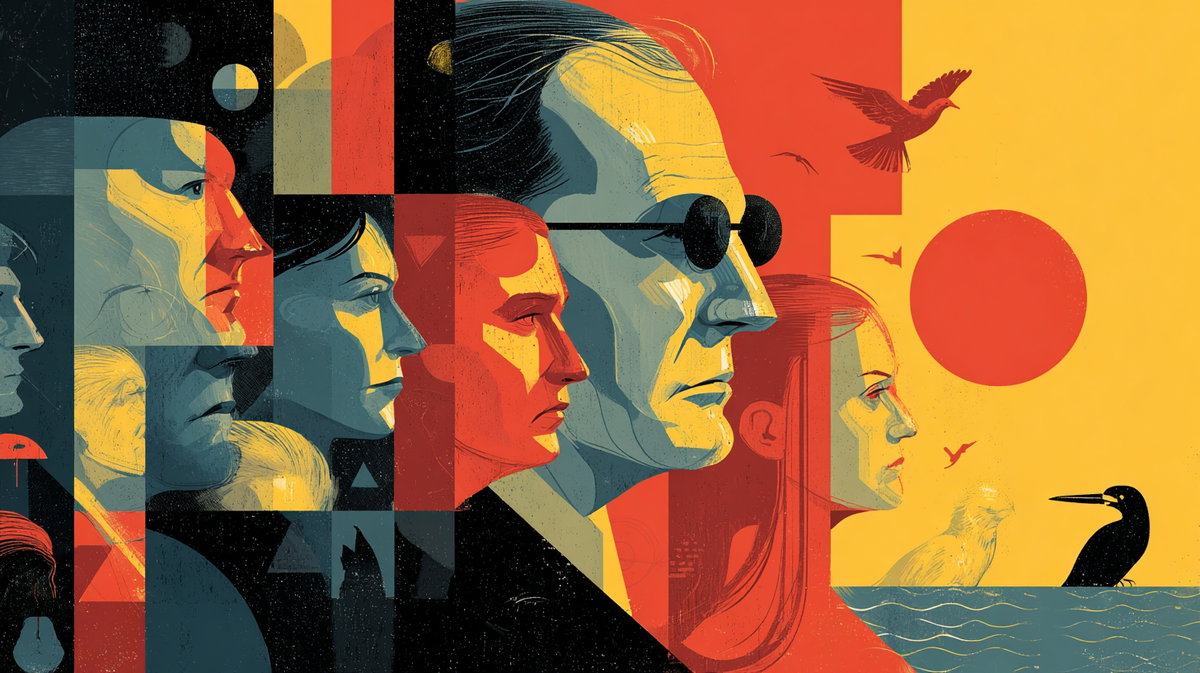
As artificial intelligence concentrates power among a handful of technology giants, the structural interests of those firms and of populist politics are quietly converging around a shared hostility to institutional constraints.
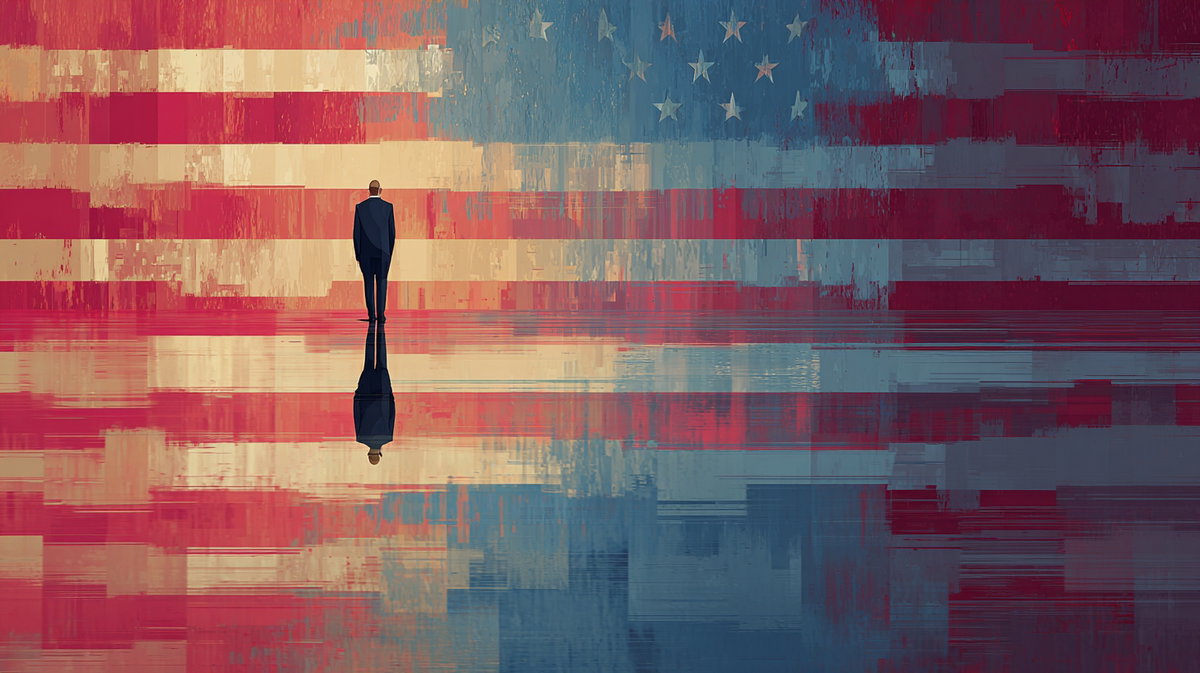
Historians and political scientists now identify the United States as exhibiting the very warning signs it once monitored in fragile states abroad.
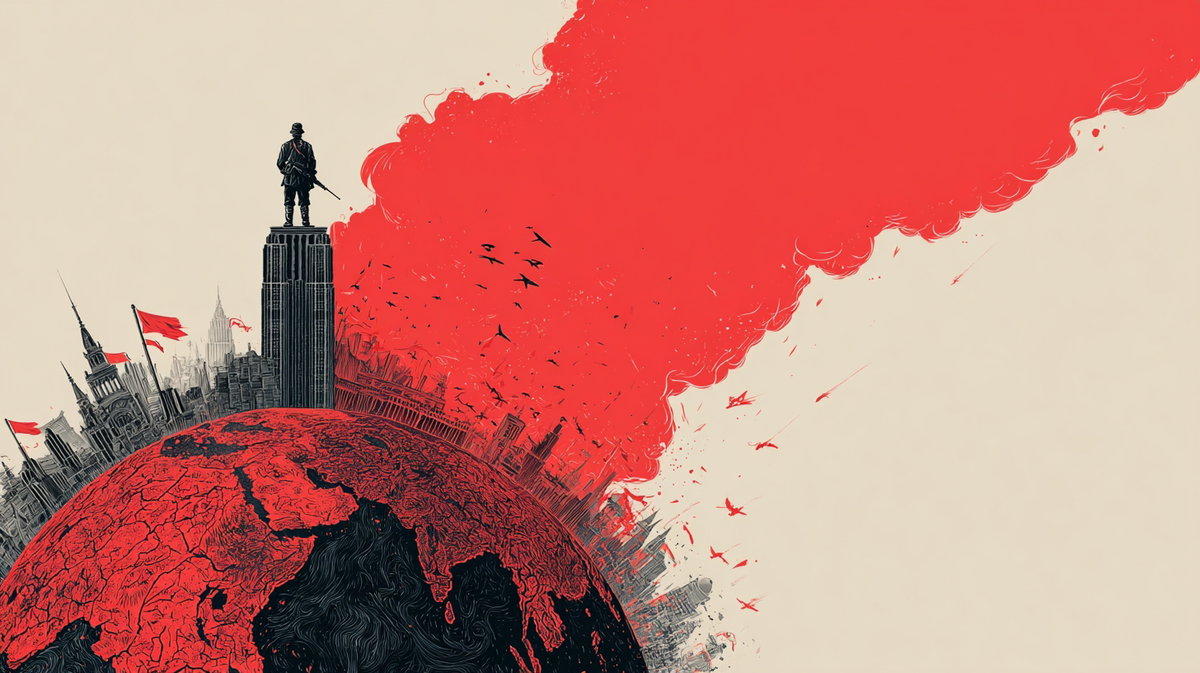
The Israeli-US strike on Iran is not an isolated event, but the latest lurch in a systemic breakdown of international order — and the world must respond.
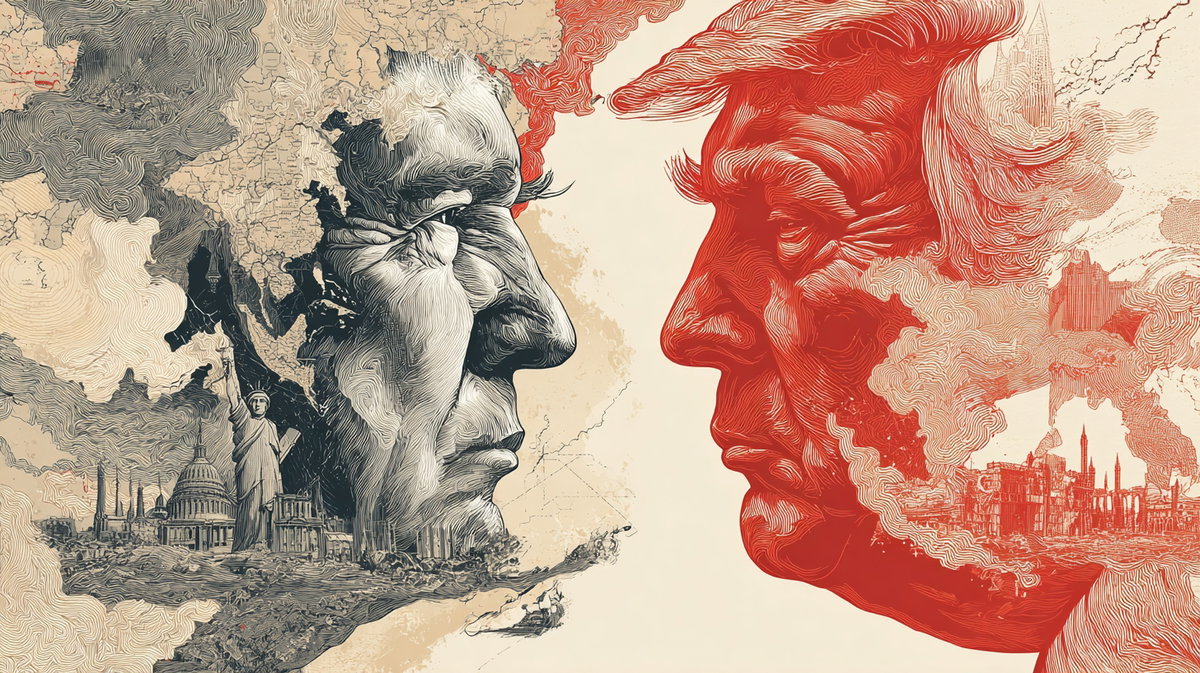
The attack on Iran has shattered the very non-interventionist vision Trump's own national security document enshrined just weeks earlier.
Europe's poorer nations and citizens are climbing the income ladder — and the data show the Union is more cohesive than its critics claim.

Eurofound's 2024 working conditions survey charts how digitalisation, demography, and climate change have reshaped European labour over 35 years.