
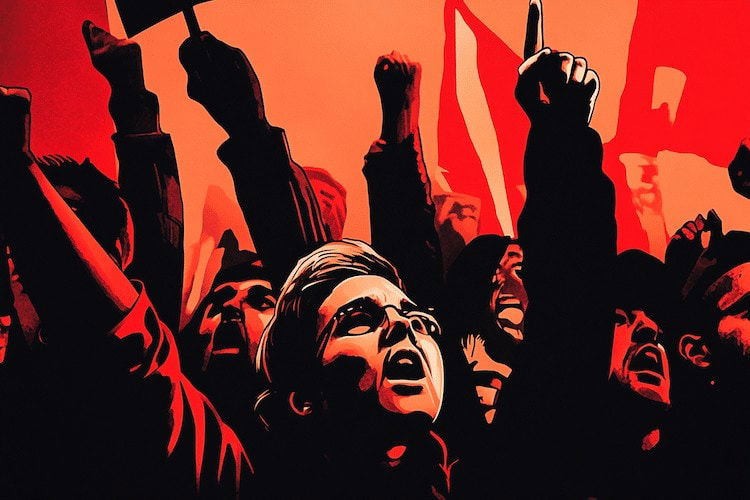
No Europe for young men
Europe’s democracies are failing their youth as short-sighted policies prioritise the needs of older generations, leaving young people without a voice or a future.
Europe’s democracies are failing their youth as short-sighted policies prioritise the needs of older generations, leaving young people without a voice or a future.

Recent UBI trials reveal that guaranteed income provides immediate mental health relief, but sustaining long-term benefits may depend on lasting economic security.
Peter A. Hall and Henning Meyer discuss how perceptions of fairness and economic uncertainty have fuelled populism.
In Nevada, the Culinary union’s canvassers are racing to swing the vote for Kamala Harris—can they overcome Trump’s growing working-class backing?
Mario Draghi urges deeper integration to tackle Europe’s economic challenges, but will leaders respond in time?
EU member states submit fiscal plans, influencing economic stability and public debt for years to come.
Europe faces the challenge of fostering an innovation-driven economy to compete globally and lead in technological advancements.
Austria’s election results highlight key lessons on the far right’s enduring appeal.
Recent far-right victories in Europe reveal the dangerous effects of mainstreaming extremist views and the urgent need for a new political strategy.
The EU’s ‘People, Skills, Preparedness’ shift signals a move toward individual responsibility and crisis management in social policy.
With the Rust Belt up for grabs, Kamala Harris faces a last-minute fight to stop Trump and protect the future of American democracy.
Amazon’s office mandate exposes workplace power dynamics and the need to rethink employer control.
How Putin’s Quest for Power Revives Russia’s Century-Old Threat to the West.
Can Europe overcome its capital market flaws and catch up to the US? The Draghi Report sounds a critical alarm for the EU’s future.
Austria’s far-right Freedom Party (FPÖ) has surged to dominance in national elections, with major implications for democracy and political stability.
As the US election looms, Europe’s far-right surge threatens its democratic stability and unity amid rising global challenges.
Just as Donald Trump’s overall economic strategy is based on nostalgia for a bygone era, his fossil-fuel-centered energy policies would represent a quixotic attempt to reverse history.