
Should Comparative Economics Still Exist?
Branko Milanovic asks whether we should continue to teach comparative economic systems to broaden students' horizons, or if the global ubiquity of capitalism renders such historical study obsolete.
Social Europe is an award-winning digital media publisher driven by the core values of freedom, sustainability, and equality. These principles guide our exploration of society’s most pressing challenges. This archive page curates Social Europe articles focused on economic issues, offering a rich resource for innovative thinking and informed debate.
Branko Milanovic asks whether we should continue to teach comparative economic systems to broaden students' horizons, or if the global ubiquity of capitalism renders such historical study obsolete.

AI transcription tools promise efficiency but bring legal exposure, surveillance risks, and threats to fundamental rights.

The EU's fastest-growing economy of the past two decades risks stalling unless it dramatically increases its rock-bottom spending on research and education.

Germany's faith in free markets has left it squeezed between China and America — but a defence-spending loophole offers unexpected hope.

We must address climate change, inequality, and poverty simultaneously, but prevailing economic approaches are failing; solutions lie in an updated, experimental industrial policy focused on green and productive service job

Across 18 sectors, only aerospace and defence remain globally competitive—Europe must abandon naivety and act decisively.

The landmark ruling validates the directive's approach to adequate wages and collective bargaining, dealing only minor setbacks to its implementation across Europe.

"Abundance" sounds appealing, but institutional competence and economic wisdom matter more than uplifting slogans.
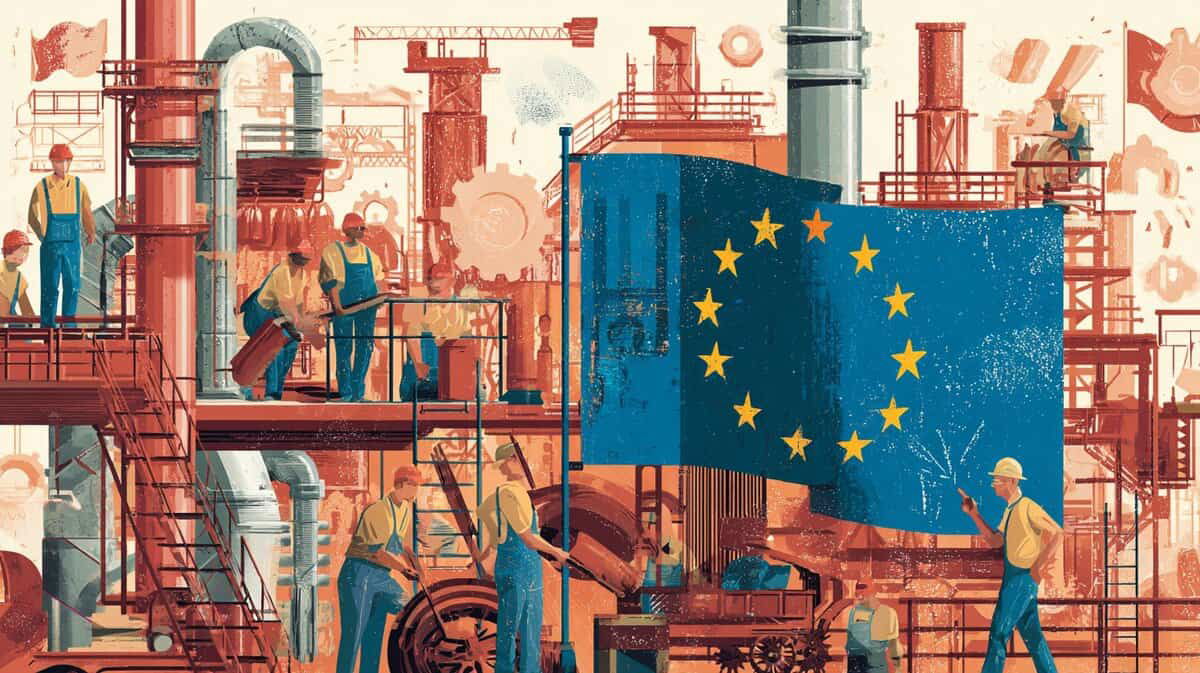
Bold industrial strategy must combine green transformation with social justice to secure Europe's economic future.

Boosting infrastructure spending would stimulate growth and employment without threatening debt sustainability.
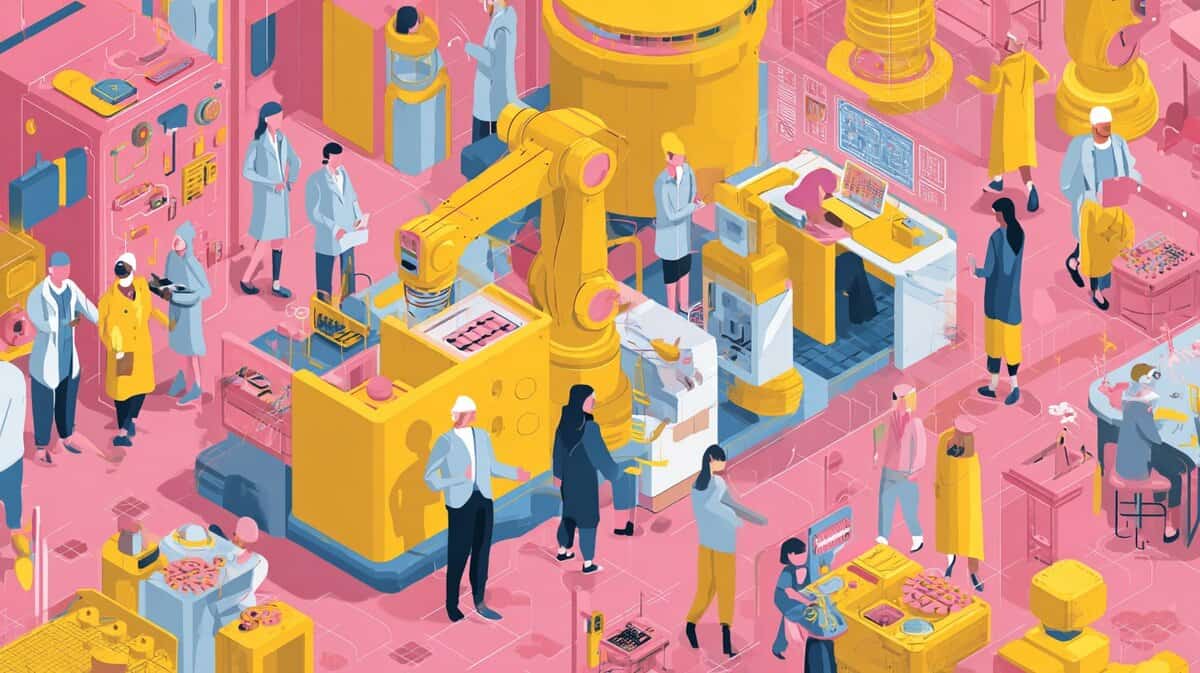
The digital transformation of work isn't destroying jobs through automation—it's fundamentally reshaping how work is organised, managed and controlled.

Europe's SME digital divide persists despite EU efforts, with financial constraints and skills shortages hindering transformation.

Manufacturing can't create jobs anymore. Services must step up—with smart policy to boost productivity.

New technologies drive inequality by concentrating capital income. Three policy approaches can help spread ownership and moderate disparities.

As tariff wars and industrial crises mount, Europe must abandon austerity for investment-driven internal demand.
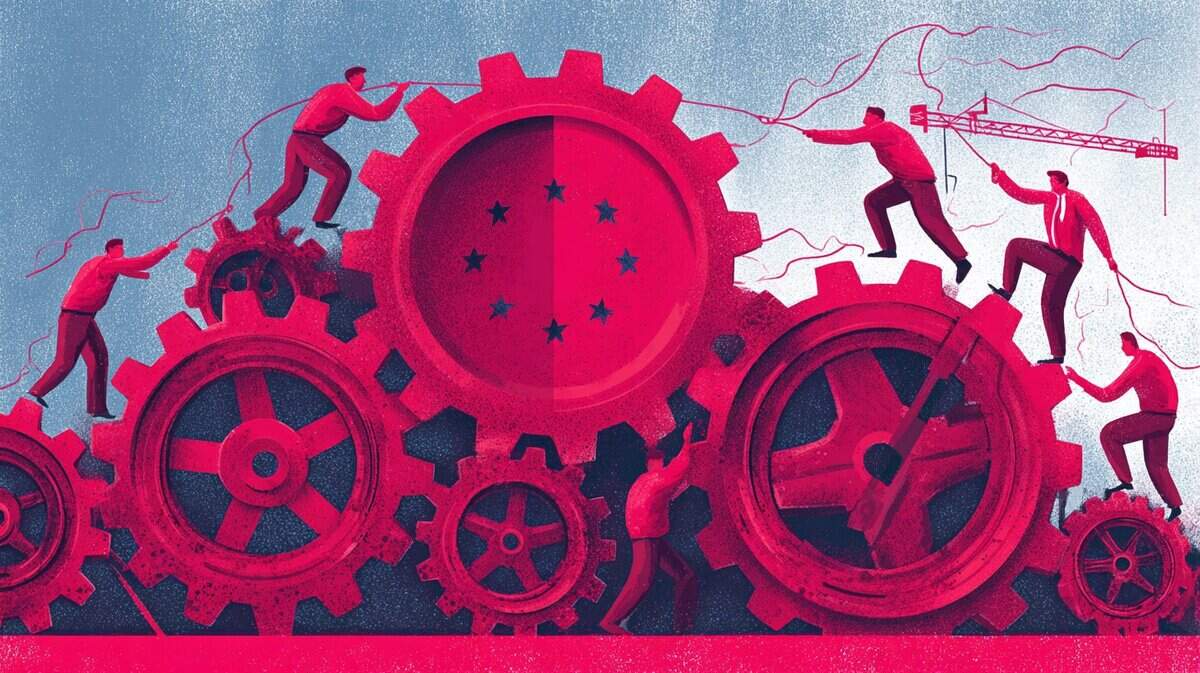
Europe's merger watchdogs generally ignore labour market impacts, but there is a possibility for change.